Over 25 Million Downloads
Our Podcast
Eavesdrop on Lisa, Deb, and Joseph as they engage in lively, sometimes irreverent conversations about a wide range of topics and dream analysis through the lens of depth psychology provided by Carl Jung.
Over 25 Million Downloads
Our Podcast
Top five listener favorites
Upcoming Price Increase
Thinking about joining Dream School?
The price of joining This Jungian Life Dream School will be increasing by around ten percent on March 1st, reflecting rising costs and the continued depth of what we offer inside the program. If you’ve been thinking about joining, this is a good moment to come on board at the current rate before the increase takes effect.

Spotify

Apple

YouTube

Tune In

Pandora
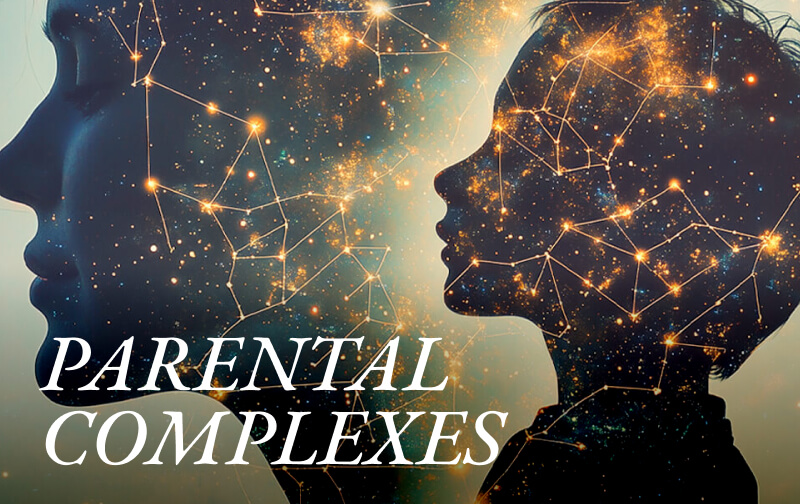
Parental Complexes: How They Shape Your Child’s Future
Parental complexes shape our emotional and psychological development. From the very start, we absorb more than words or actions from our parents. In effect, we are raised by their unresolved emotional struggles and complexes and unknowingly make them our own. These complexes affect how we interact with others, how we perceive our self-worth, and how we navigate life’s challenges. It’s essential to recognize just how deeply our parents’ experiences influence our inner world, shaping us in ways we often aren’t conscious of.
SHADOWLAND: Relentless Pain – the story of Jean Campbell
VIDEO Art Credit: Jano Tantongco,...
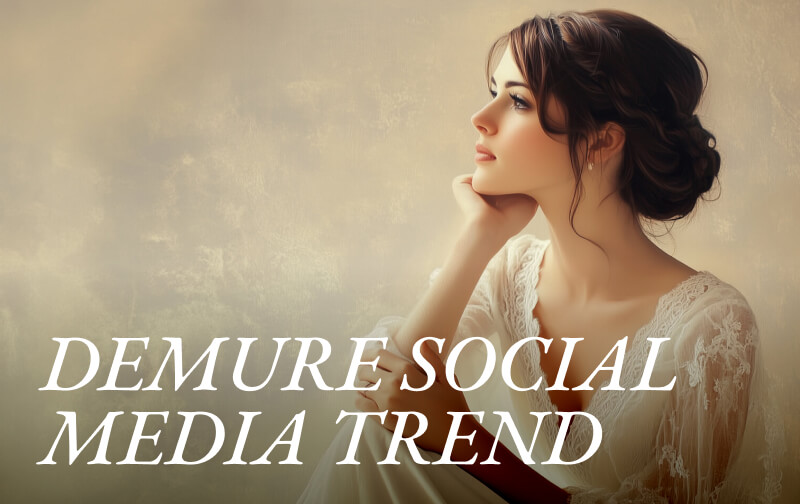
Demure Social Media Trend: Elegant or Oppressive?
The Demure Social Media Trend emerged as an unexpected countercultural movement, directly challenging the flamboyant and ostentatious behaviors that dominate digital platforms. This trend isn’t just about aesthetics; it delves into deeper cultural values, emphasizing modesty, restraint, and introspection. We must explore whether it signifies a return to elegance or imposes a subtle form of oppression.
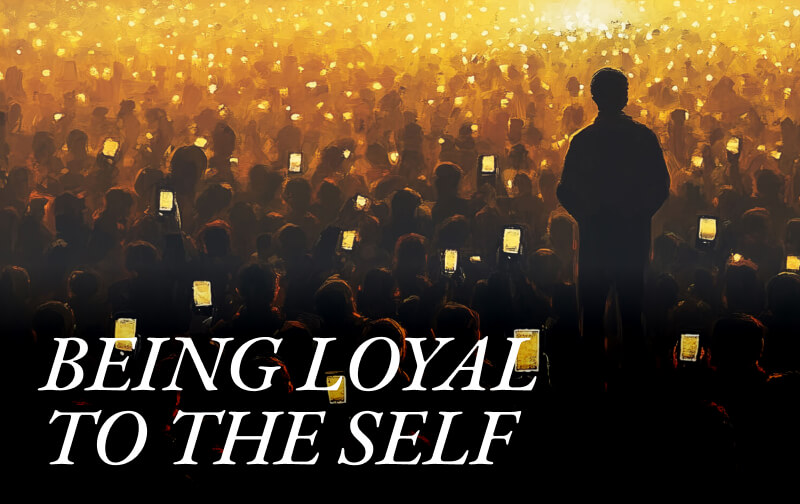
Loyalty to Self and the Death of Illusion
Loyalty is often seen as a virtue, something to be revered and upheld. It is deeply connected to our identity, attachment, and sense of fairness. Loyalty is not always a conscious choice; it is a force that evolves as we grow, shaping our relationships and our expectations of the world. The evolution of loyalty is influenced by our attachment styles, which dictate how we connect with others and how we remain steadfast in our commitments. In political contexts, loyalty can be manipulated, often distorting our sense of fairness and justice. Understanding our own loyalty patterns is crucial to navigating the complexities of life and relationships.
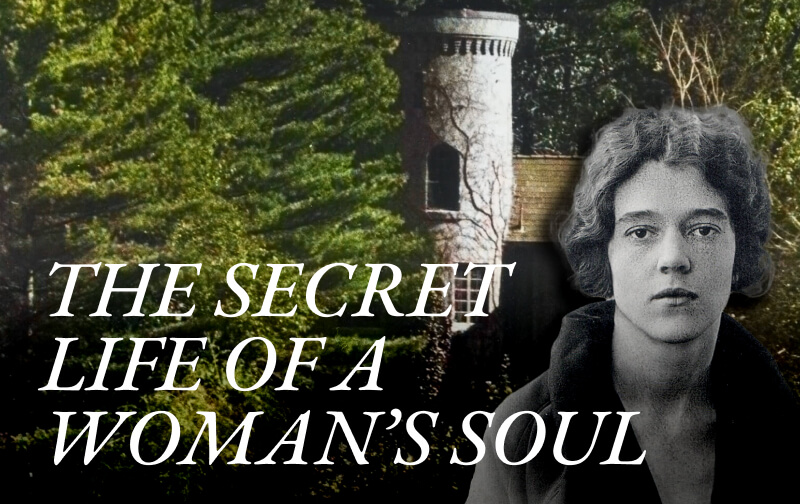
The Secret Life of a Woman’s Soul
Hillary Morgan, filmmaker and granddaughter of Christiana Morgan, has embarked on an inspiring journey to honor and celebrate her grandmother’s contributions to analytical psychology and art. Her documentary, “The Tower,” explores the spiritual retreat Christiana built, highlighting her deep connection with Carl Jung and her visionary artwork. This personal dedication and Hillary’s commitment to preserving Christiana’s legacy offer an intimate and profound perspective on a remarkable woman’s life and work. Through these efforts, Hillary aims to bring to light the significance of Christiana’s contributions, ensuring they continue to inspire future generations.
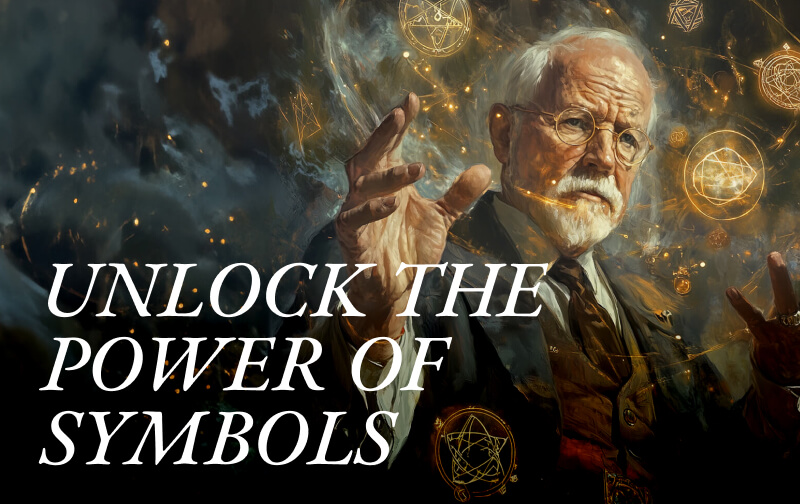
Unlock the Power of Symbols
The distinction between signs and symbols is essential to understanding the unconscious. Signs convey familiar information or directions, such as a stop sign indicating the need to halt. Symbols, however, represent something unknown or unconscious, carrying a deeper, often mysterious meaning that transcends ordinary understanding. They play a crucial role in human development, providing a bridge between the conscious and unconscious mind. Symbols should not be reduced to something already known; instead, they should be experienced and lived with, allowing their deeper messages to unfold over time.
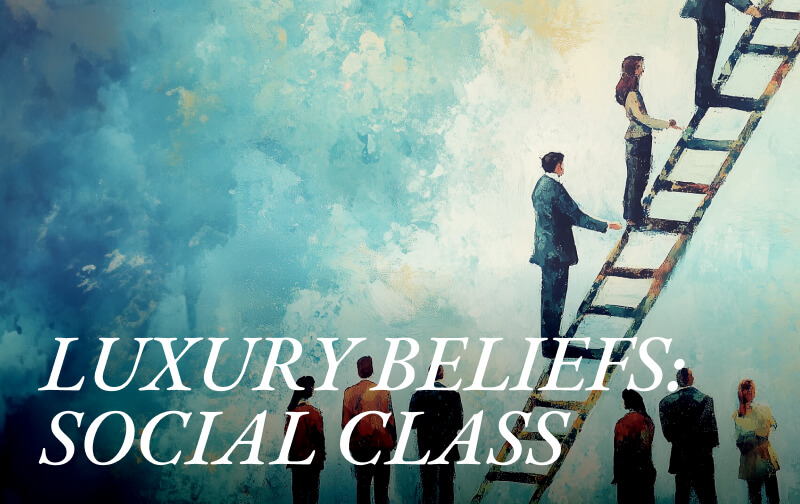
LUXURY BELIEFS: Has Social Class Shaped Your Mind?
Rob Henderson, author of the best-selling book “Troubled: A Memoir of Foster Care, Family, and Social Class,” explores the concept of “Luxury Beliefs.” Raised in poverty by a drug-addicted mother and navigating a series of painful foster care homes, Henderson found outward success through the military, Yale, and Cambridge but never resolved his inner suffering. His self-reflection led him to identify “Luxury Beliefs,” attitudes prevalent among his affluent peers that serve as social status indicators rather than practical principles. These beliefs, such as dismissing traditional marriage, advocating laissez-faire parenting and drug decriminalization, are manageable for the wealthy but destabilize poorer communities. By understanding luxury beliefs, society can foster empathetic conversations across socioeconomic lines, ultimately recognizing that the upbringing and environment we provide for children shape our future culture.
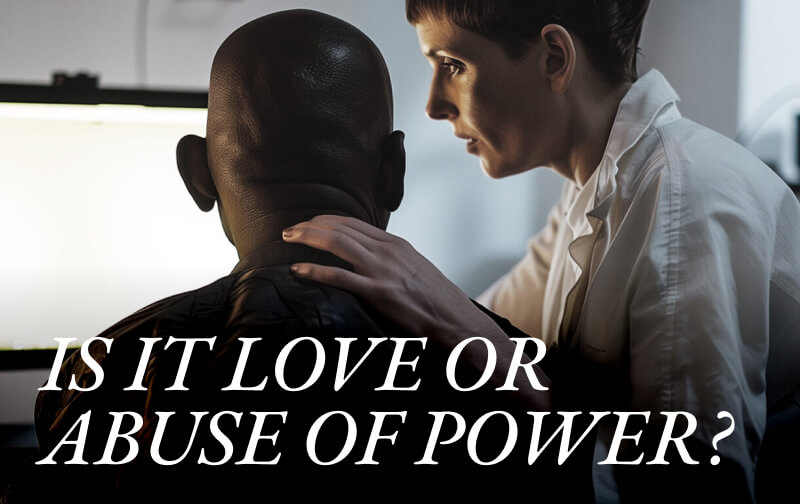
Is it Love or Abuse of Power? Shadow and Archetype in TELL THEM YOU LOVE ME
A Jungian perspective adds a level of psychological complexity to human conflict and suffering that forces us to hold warring tensions within us. Nick August-Perna’s film offers us that same opportunity, allowing multiple voices, divergent feelings, and cultural tensions to surface without resolution in hopes that we, as the viewers, will grow and learn through the struggle to understand.

ARE YOU TRACKING TWISTERS? The Reckless Charm of Creating Tornados in Our Lives
Tornadoes symbolize chaos and transformation. They embody the power of nature’s unpredictability. Twisters reflect our internal emotional storms. Each tornado’s path tells a story of upheaval. Tornadoes teach us that from chaos, new beginnings emerge. The swirling vortex is a testament to the dance of destruction and renewal.
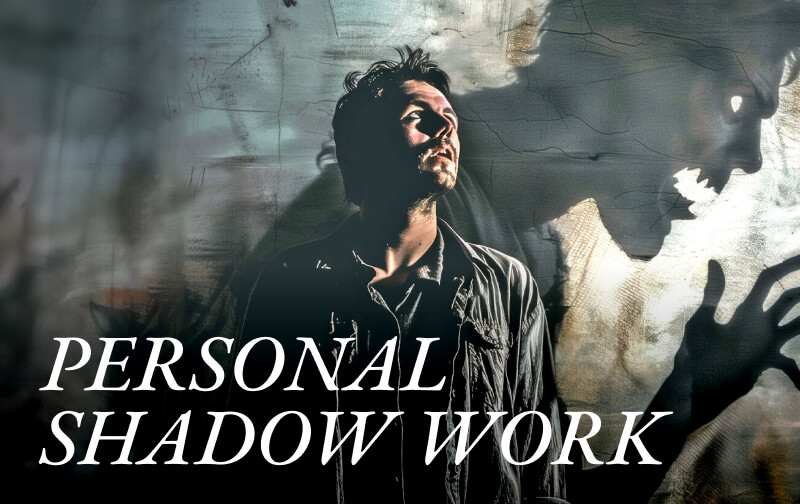
Personal Shadow Work: Where is Your Dark Twin Hiding?
Understanding our personal darkness is a journey of self-discovery. PERSONAL SHADOW WORK: Where is your dark twin hiding? involves delving into parts of ourselves that have been pushed into the unconscious due to discomfort or societal expectations. When brought to light, these hidden aspects offer us a richer existence.
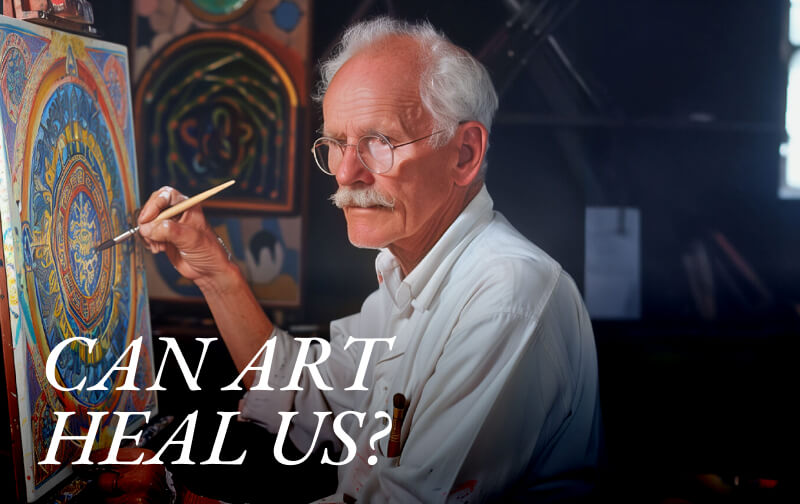
Can Art Heal Us? The Role of Imagery in Jungian Analysis
Jungian Art Therapy explores the connection between art and psychological growth. The spontaneous act of creating images, whether through drawing, painting, or other forms of artistic expression, helps us to tap into our unconscious mind, providing insights into our inner world. Imagery, metaphors, and symbols are central to this process, bridging our conscious and unconscious levels. This approach can promote emotional healing and self-discovery, fostering a deeper understanding of psyche.
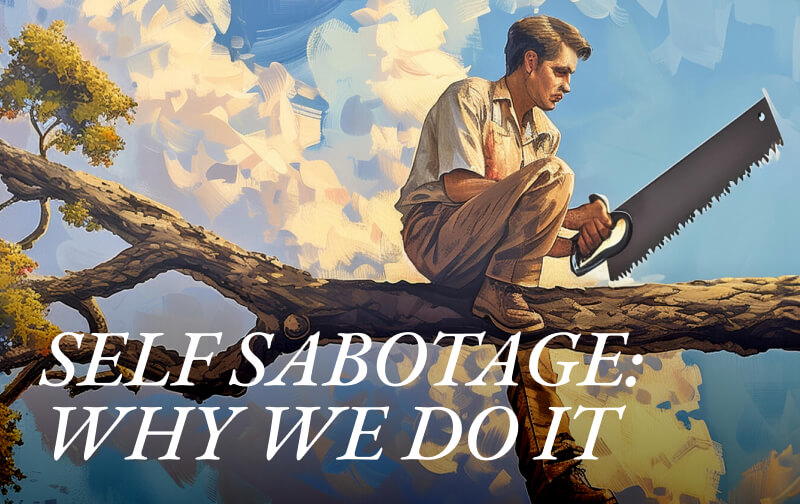
SELF-SABOTAGE: Why We Do It and How To Stop It
Understanding self-sabotage is crucial in unlocking our true potential and overcoming the barriers that hinder our personal growth. Delving into the etymology of the term “sabotage” reveals its roots in malicious destruction; when internalized, it translates into how we unconsciously damage our prospects. Often, it manifests as internal protest, where parts of our psyche attack our conscious goals.