Over 25 Million Downloads
Our Podcast
Eavesdrop on Lisa, Deb, and Joseph as they engage in lively, sometimes irreverent conversations about a wide range of topics and dream analysis through the lens of depth psychology provided by Carl Jung.
Over 25 Million Downloads
Our Podcast
Top five listener favorites
Upcoming Price Increase
Thinking about joining Dream School?
The price of joining This Jungian Life Dream School will be increasing by around ten percent on March 1st, reflecting rising costs and the continued depth of what we offer inside the program. If you’ve been thinking about joining, this is a good moment to come on board at the current rate before the increase takes effect.

Spotify

Apple

YouTube

Tune In

Pandora
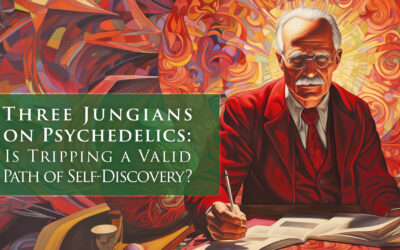
Three Jungians on Psychedelics: Is Tripping a Valid Path of Self-Discovery?
Psychedelics may help us access deep layers of the unconscious, revealing aspects of psyche that are often inaccessible through traditional psychoanalytic methods alone. Jungian analysis, with its focus on archetypes and the collective unconscious, provides a framework for interpreting and integrating the complex, symbolic experiences often encountered in psychedelic states. The combination of psychedelics and analysis could facilitate a more profound and holistic healing process, addressing not only individual psychological issues but also connecting with broader, universal aspects of human experience. This integrated approach could accelerate the therapeutic process, allowing for quicker breakthroughs and more profound insights than can be achieved through either method independently.
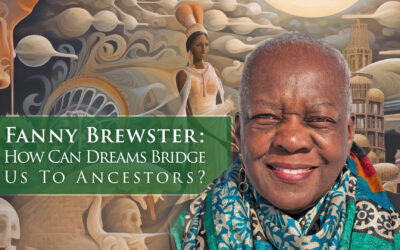
Fanny Brewster: How can dreams bridge us to ancestors?
Jung’s concept of the collective unconscious emphasized the universal psychological substrate common to all humans. While he acknowledged the effects of the cultural unconscious, his work, at times, fell into the trap of perpetuating oversimplified and racially prejudiced stereotypes. Jung’s writings that refer to Africanist peoples, in particular, suffer from offensive assumptions.
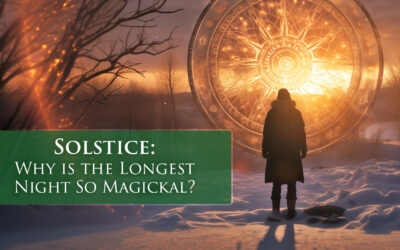
SOLSTICE: Why is the longest night so magickal?
Winter Solstice, the longest night of the year, calls us to brood and turn within. Retreating to the unconscious is a psychic wintering, calling our life force down into our archaic patterns.
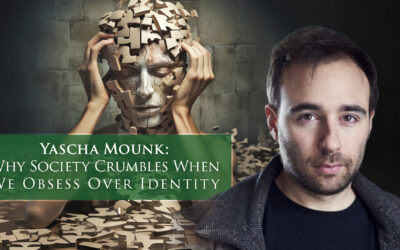
Yascha Mounk: Why Society Crumbles When We Obsess Over Identity
In an era where identity politics reshapes global narratives, the urgent need to balance diversity with universal human values becomes clear. The melding of postmodernism, postcolonialism, and critical race theory raises a provocative question: Can embracing universal principles truly bridge our deepening societal divides? This challenge calls for a bold reimagining of our approach to social harmony and equality, urging a critical reassessment of how we navigate identity and inclusivity in a complex, interconnected world.
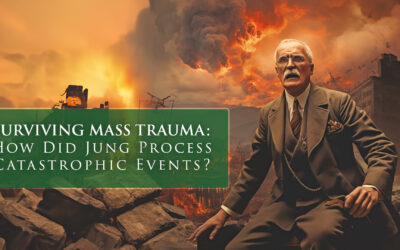
SURVIVING MASS TRAUMA: How did Jung process catastrophic events?
The great catastrophe of Jung’s generation was the rise of Nazi Germany and WWII. His insights into the collective psyche of nations remain relevant today as we grapple with war and violence worldwide.

NIGHTMARES: How can I stop awful dreams?
Our dreams are always trying to correct our waking personality. They are a kind of psychospiritual medicine tailored just for us. When we avoid healing advice from the dream maker, pressure builds in our unconscious. Gentle suggestions become urgent pleas, which over time become fierce demands that insist on recognition. Once we recognize we are running away from essential insights, we can turn around and embrace them.

DO WE INHERIT OUR PARENT’S FEARS?
VIDEO...
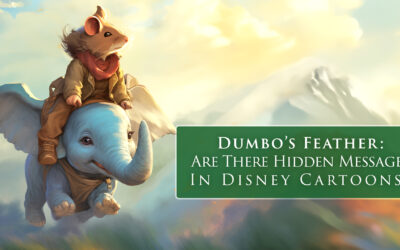
DUMBO’S FEATHER: Are there hidden messages in Disney cartoons?
The feather in “Dumbo” holds symbolic magic. Holding it tight, he leaps from dependency to loss, then audacious growth. He must believe the feather holds power before placing it in himself. We all need symbolic objects or talismans to project our potential onto. How else could we find it?
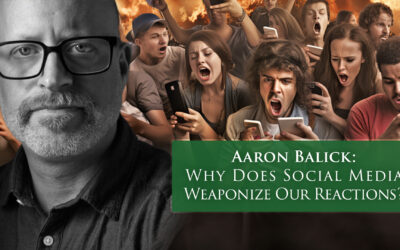
Aaron Balick – Why does social media weaponize our reactions?
Reactivity often usurps reflective response, with social media fueling instantaneous, reflexive reactions. This hampers thoughtful decision-making and obscures the other party’s perspective, trapping discourse within a reactive cycle. Emotional reactivity, a necessary short-term survival mechanism, can become a long-term maladaptive response, leading to perpetual defense rather than constructive dialogue. Such sustained reactivity is evident in the widespread use of social media, where the nuanced, truth-seeking aspects of communication are eclipsed by the platform’s inherent design that favors sensationalism and emotional contagion. This environment diminishes the capacity for mutual understanding and comprehensive evaluation of complex social issues, fostering a climate where binary thinking and polarization thrive.

FAME: Why Do We Create Icons Only to Destroy Them?
Fame tempts the ego to claim what does not belong to it, and the person may become identified with his or her role, especially as others have an urge to find a hero, wise man, leader, or transcendent figure. Jung wrote about the mana personality—a larger-than-life person with charismatic power and energy. Magicians and priests, infused with special knowledge and god-like capabilities, are emblematic of mana personalities. Followers are then imbued with the mana person’s special qualities, as we see in audience reactions at concerts or rallies.
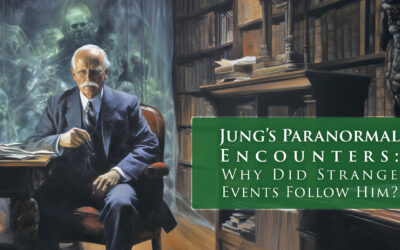
JUNG’S PARANORMAL ENCOUNTERS: Why did strange events follow him?
Many of us have uncanny coincidences like thinking of a friend at the exact moment they ring us on the phone, but what about physical things breaking apart for no reason or luminous apparitions at our bedside? We often explain them away to reduce our anxiety, but Jung found them fascinating. He maintained a scientific attitude while accepting strange phenomena he could not explain. Eventually, he created a psychology of radical acceptance that creates space for the unexpected, including each person’s unique soul.

LOW ENERGY: Where can we source the drive to take action?
Many people just can’t rally to do what’s necessary and improve their lives. Is it possible they just don’t carry much vitality or is some inner conflict blocking their access? We share personal stories of ‘energy loss,’ and offer insights into purposelessness. Jung tells us inner energy flows according to its own laws but if we can’t harness it?