Over 25 Million Downloads
Our Podcast
Eavesdrop on Lisa, Deb, and Joseph as they engage in lively, sometimes irreverent conversations about a wide range of topics and dream analysis through the lens of depth psychology provided by Carl Jung.
Over 25 Million Downloads
Our Podcast
Top five listener favorites
Upcoming Price Increase
Thinking about joining Dream School?
The price of joining This Jungian Life Dream School will be increasing by around ten percent on March 1st, reflecting rising costs and the continued depth of what we offer inside the program. If you’ve been thinking about joining, this is a good moment to come on board at the current rate before the increase takes effect.

Spotify

Apple

YouTube

Tune In

Pandora

Midlife Crisis: Renewal or Stagnation
Jung was particularly interested in the second half of life, perhaps because after his own midlife crisis he found himself so surprisingly generative. We tend to spend the first half of life oriented to familial values and cultural norms for success.

Jung, UFOs & Aliens: the truth is out there!
The Pentagon recently released a film of a UFO made by Navy pilots. Although such credible documentation is new, UFO sightings go back to ancient times and surged after World War II.

ZOOMing In: Is Psyche Alive Online?
We have moved our lives online. But can we experience authentic human connection through virtual technology? Can we date, mourn, or have psychoanalysis on a screen? If screens offer some surprising intimacies—close-ups of wedding vows and eulogies—they also deprive us of embodied participation. Staying at home has made us newly eager to socialize—separately. Dating means conversation, not cuddling.
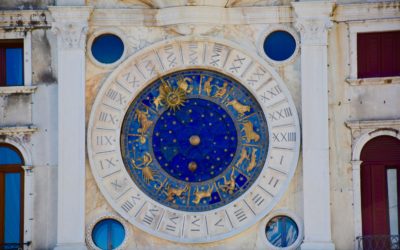
Jung & Astrology: Cosmos & Character
Astrology is a 4000-year-old discipline rooted in the mystery of man’s relationship to the universe. It is an archetypal frame for human experience that influenced Jung, depicts our connection to the heavens, and anticipates future trends.

Authority: Who’s in Charge Around Here?
The dictionary defines authority as the power to “influence or command thought, opinion or behavior.” Authority’s Latin roots are master, leader, author—thus it lives next to its tough cousin, power. Families, organizations, and governing bodies influence and command us, whether slightly or mightily. Authority has legitimacy, from a traffic officer’s directives to a mentor’s wisdom .

Nigredo: Finding Light in Our Darkness
[iframe style="border:none"...

Episode 106 – When Everything Changes: Is There Opportunity in Crisis?
In the Chinese language, the two characters representing crisis are danger and opportunity. Can that possibly be true of these days of pandemic crisis, with physical, economic, and psychological destabilization? Voices of experience and wisdom speak to us about finding potential in desperate situations.

Episode 105 – Ancestors: Our Psychological Inheritance
The archetype of origins is in resurgence since the advent of ancestry-mapping programs. What are the psychological and symbolic meanings of ancestry? Identity is often strongly linked to ancestry in its ethnic and cultural aspects, and as the carrier of personal traits.

Episode 104 – Therapist Disclosures: Withholding or Overloading?
Should an analyst share personal information with clients? Freud believed that the analyst should be devoid of personal presence, so he sat unseen behind his famous couch. Jung realized that regardless of theory, psychotherapy entailed two people in a room interacting.
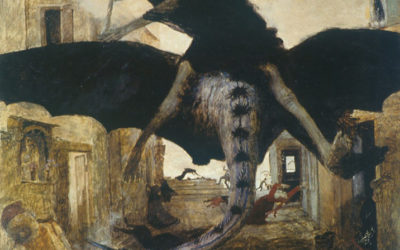
Episode 103 – Facing the Fear of Coronavirus: finding a grounding attitude
“The word plague derives from the Latin plangere, “to strike the breast as if in lamentation.” The novel coronavirus has visited loss, fear and hardship on many. Nature in her destructive mode can radically disrupt cultural creations and norms and show us how fragile they – and we — are.”

Episode 102 – Destiny: Are We Fated to Have One?
Questions about fate and destiny have existed for millennia. Fate often refers to unalterable realities, from genes to future events, whereas destiny points to future potential.

Episode 101 – Pessimism: Was Eeyore Right?
“Could be worse. Not sure how, but it could be.” For Eeyore, only perverse possibilities lie ahead, even if they are unknowable. Do gloomy expectations create self-fulfilling prophecies? Or are pessimists more realistic than naive optimists like Winnie the Pooh? Pessimism can be associated with depression, anxiety, sleep disorders and more. It may also motivate preparation and striving, especially if the pessimist believes he or she can overcome significant obstacles and succeed.