Over 25 Million Downloads
Our Podcast
Eavesdrop on Lisa, Deb, and Joseph as they engage in lively, sometimes irreverent conversations about a wide range of topics and dream analysis through the lens of depth psychology provided by Carl Jung.
Over 25 Million Downloads
Our Podcast
Top five listener favorites
Upcoming Price Increase
Thinking about joining Dream School?
The price of joining This Jungian Life Dream School will be increasing by around ten percent on March 1st, reflecting rising costs and the continued depth of what we offer inside the program. If you’ve been thinking about joining, this is a good moment to come on board at the current rate before the increase takes effect.

Spotify

Apple

YouTube

Tune In

Pandora
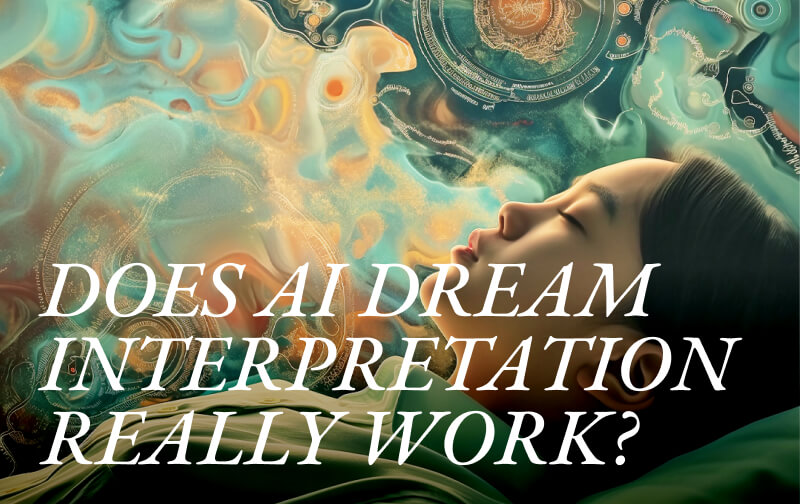
John Temple: Does AI Dream Interpretation Really Work?
AI Dream Interpretation demonstrates how artificial intelligence analyzes dreams, offering insights into the unconscious mind. Dreams can be mysterious, but AI provides an objective perspective human interpretation might miss. Leveraging AI’s ability to process large datasets allows for a comprehensive understanding of recurring dream themes, opening new possibilities for personal growth and self-awareness.
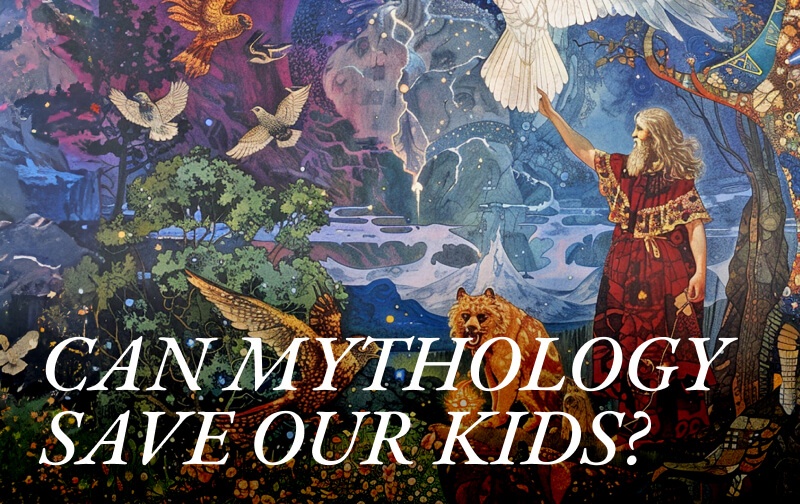
Kwame Scruggs: Can Mythology Save Our Kids?
Kwame Scruggs knows engaging in urban youth development requires innovative approaches that resonate deeply with the youth’s experiences. Myths hold a profound power to connect with young minds, fostering emotional healing and personal growth. Understanding how mythological storytelling can empower urban youth offers us a unique avenue to drive transformation and hope. Recognizing the effectiveness of Myth in youth development, we explore how this ancient practice can modernize our educational methods and cultural empowerment programs.
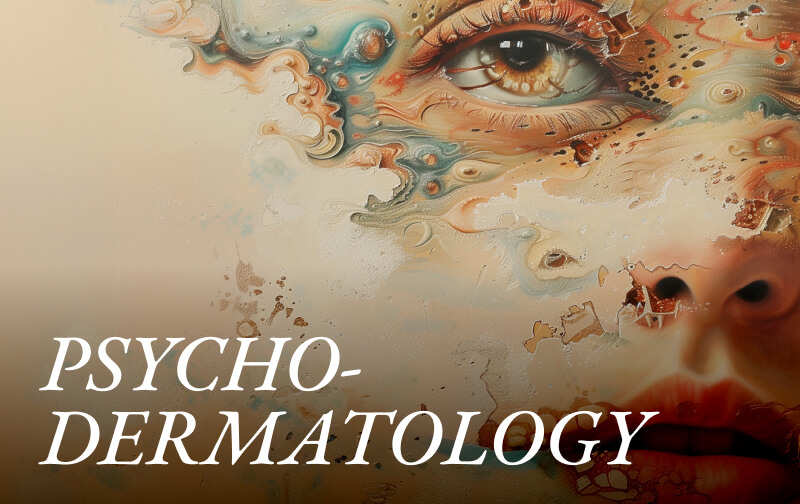
Psychodermatology: How Skin Communicates Unconscious Conflicts
Our exploration into the connections between skin and psyche reveals striking insights. Often, our skin acts as a mirror to our internal emotional states, in essence our skin communicates unconscious conflicts. By delving into this mystery, we can understand hidden unconscious dynamics that shape our body and our feelings.

IDENTITY CRISIS: When Our Story Falls Apart
Narrative identity is an evolving story that individuals create to make sense of their lives. This story integrates past experiences, present realities, and future aspirations into a coherent whole. It provides a sense of continuity and purpose, helping individuals understand who they are. When this narrative is disrupted, it can lead to crisis.

Six Swans Jungian Analysis: Transforming Fear into Joy
Exploring the Brothers Grimm fairytale “The Six Swans” through a Jungian lens, we uncover insights into transformation, resilience, and the complexities of human emotion. This “Six Swans Jungian Analysis” explores how this narrative offers deep psychological understanding and personal growth. The characters’ journey, particularly the sister, is rich with insights into endurance and the transformative power of love and sacrifice.

Two Red Books: The Shared Imaginal Realms of Jung and Tolkien
n exploring the shared imaginal realms of Jung and Tolkien, author Becca Tarnas delves into a profound intersection of depth psychology and mythopoeic literature. Their writings transcend ordinary understanding, delving into the collective and personal unconscious. These narratives bridge individual experiences with universal myths, allowing readers and scholars to explore complex psychological landscapes. They function as metaphorical journeys illuminating human nature and the archetype’s role. Their explorations offer insights into how myths shape and reflect the collective human psyche.

Encounters with Light: Jung’s near-death experiences
Carl Jung’s near-death experience (NDE) during a heart attack profoundly influenced his psychological theories and personal philosophy. While unconscious, Jung perceived himself leaving his body and observing Earth from afar, enveloped in a glorious blue light. He encountered a temple-like structure within a meteoric stone and a mystical figure, experiences that resonated with his concepts of the collective unconscious and archetypal imagery. This transformative journey intensified his understanding of the psyche’s connection to universal consciousness and solidified his belief in life beyond physical existence. Upon reluctantly returning to his body, Jung felt constrained by the material world, reinforcing his dedication to exploring the depths of the human spirit and the continuity of consciousness after death. This profound experience deeply enriched his work and theories, leaving a lasting impact on both his professional contributions and personal worldview.
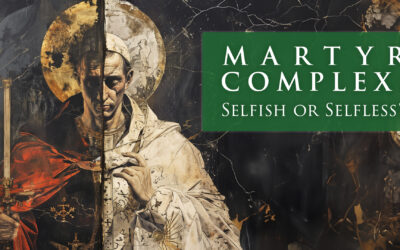
MARTYR COMPLEX: Selfish or Selfless?
Control and manipulation are expected, with sufferers using their pain to influence others, making personal suffering a tool for interpersonal dynamics. This manipulation can maintain relationships or elicit specific behaviors, serving multiple purposes.
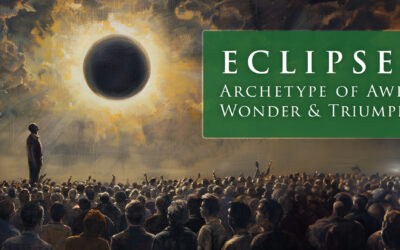
ECLIPSE: archetype of awe, wonder, and triumph
Solar eclipses captivate and draw us into their path, awakening a sense of awe and existential insight. They remind us of nature’s immense power and the transience of our existence. During eclipses, animals and plants exhibit strange behavior, and our fascination with astrology and celestial influences reflects a universal curiosity to understand the mysteries of the universe and our place in it.
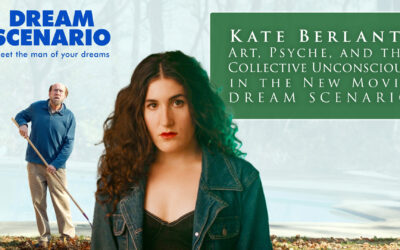
Kate Berlant: Art, Psych, and the Collective Unconscious in new movie DREAM SCENARIO
“Dream Scenario” is a thought-provoking new film that explores the uncanny power of the collective unconscious to shape culture and be shaped by it. In the movie, Nicholas Cage’s character Paul mysteriously starts appearing in others’ dreams across the globe. He grapples with the fear of being randomly celebrated by the collective and later demonized. Kate Berlant’s role in the film and insights into Jungian analysis and dream interpretation launch our conversation into the growing presence of Jung’s insights in art and film. We explore the effect of instant and unwarranted celebrity through social media and the power of archetypal roles to change the actor and activate the collective. Kate reveals her personal connection to analytical psychology and the path her inner work has taken her.

Why We Make Others Feel Bad: understanding projective identification
Projective identification, first highlighted by Melanie Klein through observations of infant-mother interactions, is a cornerstone of psychoanalytic theory. It describes the process where an individual unconsciously projects disowned feelings, desires, or self-aspects onto another, manipulating the relational context to evoke these projected feelings or behaviors in the other, thus creating a validating feedback loop.
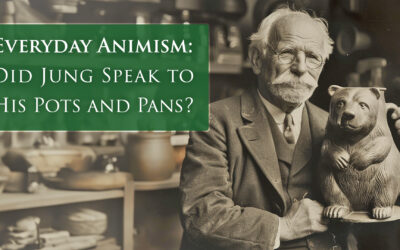
Everyday Animism: Did Jung speak to his pots and pans?
Jung held a fascinating belief in the soulful essence of inanimate objects. He engaged in daily greetings with his kitchenware at Bollingen Tower, expressing a unique form of animism that extended deeply into his personal and professional life. His collection of beer steins, each with its name, served not only as vessels for drink but as partners in dialogue, reflecting his practice of active imagination. This relationship with objects underscores Jung’s broader theories on the collective unconscious and synchronicity, suggesting that everything is interconnected and ensouled. His approach, echoing through the practices of figures like Marie Kondo, invites us to reconsider our relationships with the material world, hinting at a deeper, more mystical interaction with the everyday items that populate our lives.