Over 25 Million Downloads
Our Podcast
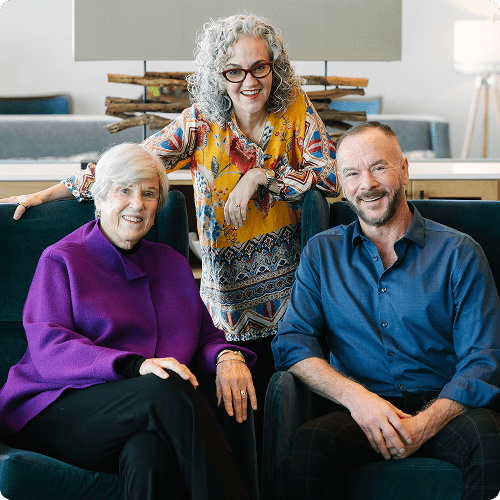
Eavesdrop on Lisa, Deb, and Joseph as they engage in lively, sometimes irreverent conversations about a wide range of topics and dream analysis through the lens of depth psychology provided by Carl Jung.
Over 25 Million Downloads
Our Podcast
Top five listener favorites
Upcoming Price Increase
Thinking about joining Dream School?
The price of joining This Jungian Life Dream School will be increasing by around ten percent on March 1st, reflecting rising costs and the continued depth of what we offer inside the program. If you’ve been thinking about joining, this is a good moment to come on board at the current rate before the increase takes effect.

Spotify

Apple

YouTube

Tune In

Pandora
DREAM WISE: Unlocking the Meaning of Your Dreams ~ Live Book Launch Event!
Dream Wise: Unlocking the Meaning of Your Dreams offers a new and unique lens to dream interpretation. It is a practical guide, a recipe book of sorts, that will help you discover guidance and comfort, reassurance, and skillful instruction tailored precisely to you. The symbolic language of dreams conveys meanings and feelings we could never discover ourselves. By combining our memories with archetypal images and symbols that bridge them, we find ourselves improved, dream by dream, throughout our lives
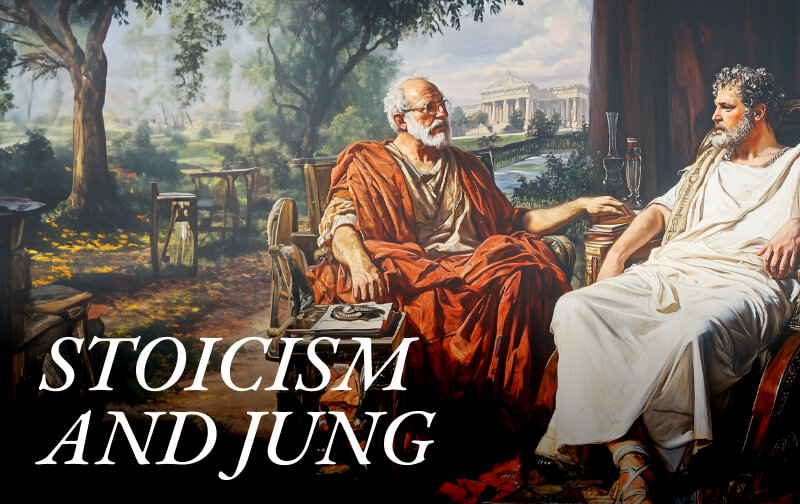
Stoicism and Jungian Psychology: A Recipe for Resilience
The amalgam of Stoicism and Jungian Psychology generates a natural resilience. It offers a frame to understand the interplay of reason, emotion, and imagination in service to inner growth. Integrated philosophical reflection empowers us to confront societal crises and develop autonomy through rational self-awareness. Inclusive Stoicism connects personal development to shared human values. The ancient discipline of clear thinking can heal us through narrative coherence, emotional management, and the integration of unconscious material. Combined with imagination, we gain tools to interpret emotions that help us navigate life. From this vantage, the modern epidemic of anxiety is seen as unmet potential in search of purposeful action and the cultivation of virtue as a template for a meaningful life. The ancient stoics explored the concept of the greatest good and found it in the wholesome and generous interconnectedness of individuals and society.
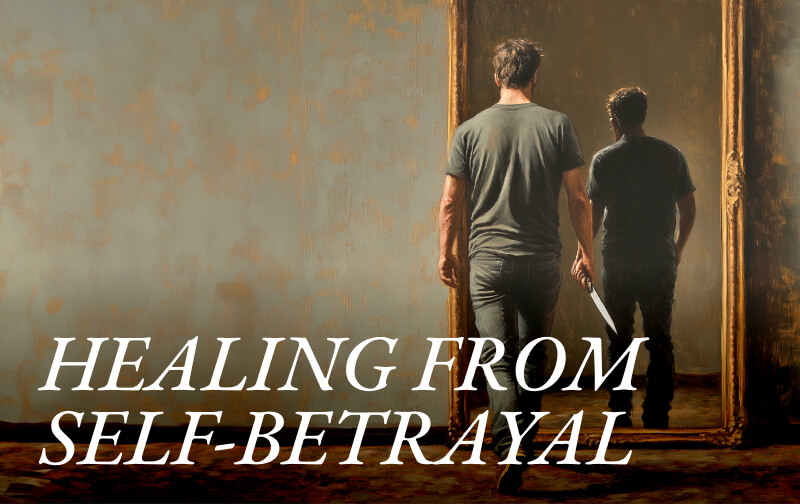
Finding Our Way Back: Healing From Self-Betrayal
When we betray ourselves, we abandon our values, needs, or truths to gain approval or avoid discomfort. This leaves us disconnected, fragmented, and unsure of who we really are. These patterns often start in childhood, where conditional love or invalidation teaches us to hide our authentic selves to stay safe or gain acceptance.
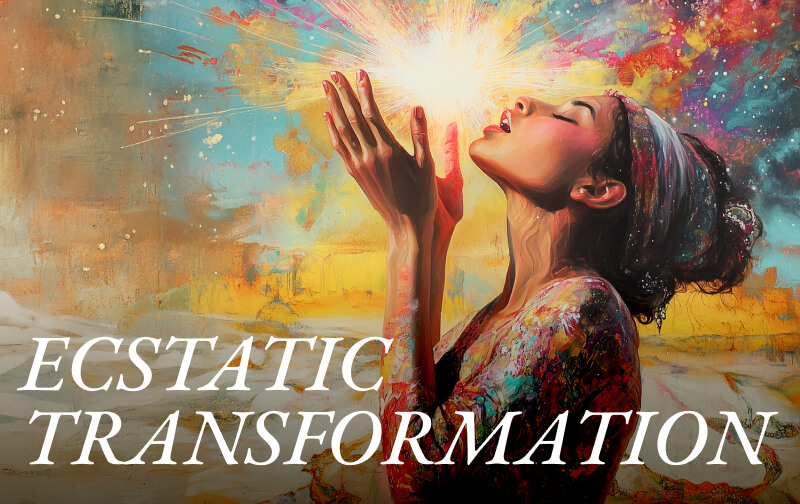
ECSTATIC TRANSFORMATION: Activating the Archetype of Radical Joy
Ecstatic transformation is a psychological and spiritual shift characterized by an overwhelming experience of self-transcendence and unity with a greater whole. It constellates intense emotions and altered states of consciousness. Rooted in the archetype of Dionysus, it dismantles ego boundaries, facilitating access to the unconscious and integrating repressed and fragmented aspects of psyche. This process leads to a reconfiguration of identity. Ecstasy catalyzes transformative growth by suspending ordinary perceptions, allowing the individual to encounter archetypal forces that realign one’s self-concept.
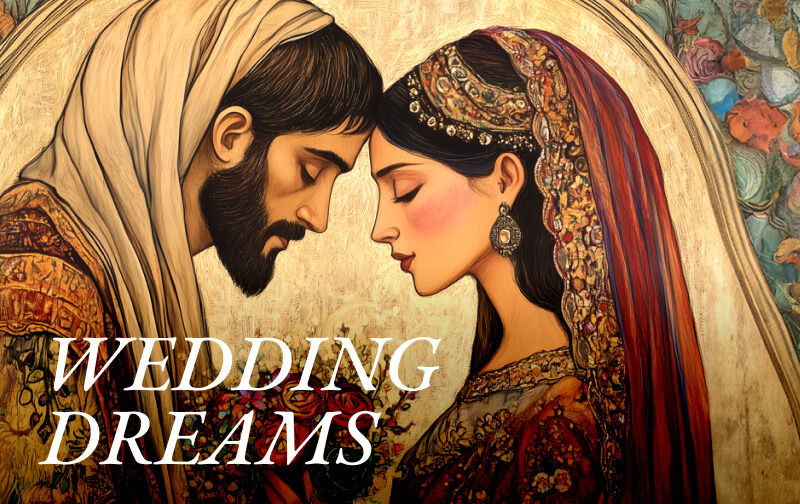
Wedding Dreams: Symbols of Sacred Union and Inner Transformation
Wedding dreams, symbols of sacred union and inner transformation, signal psychic movement toward inner union that leads to the incarnation of the Self. Through wedding dream analysis, we encounter the wedding archetype, which makes us face the fascinating internal opposite—both in the form of masculine and feminine elements, as well as our hidden shadow. The lesser infernal marriage symbolizes reunion with disowned shadow traits. This symbolic wedding transformation, drawn from alchemical traditions, offers images of the various stages from the initial approach through the final merging that reveals the divine hermaphrodite. This human amalgam is an archetypal image where opposites are merged without diminishing either polarity and is still more than the sum of its parts. Wedding dreams of all kinds provide insights into the innumerable varieties of unions and the struggle to create an opus.
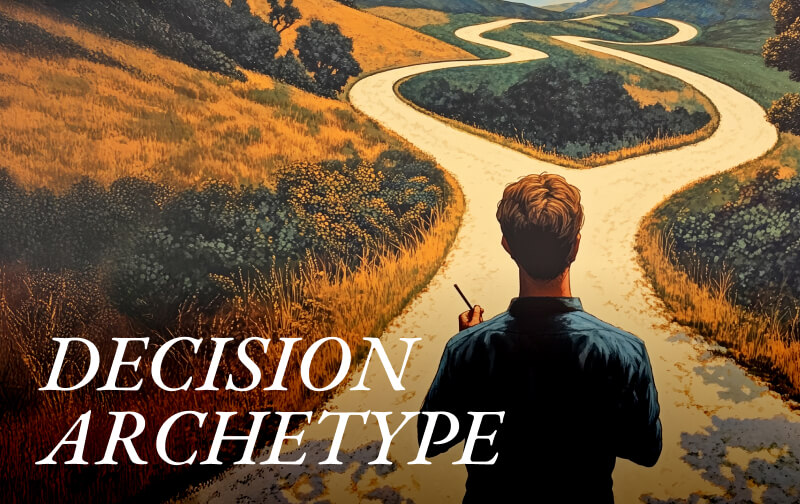
DECISION ARCHETYPE: the Power of Sacrificing Options
Every decision acts as a bridge between the conscious mind and the unconscious depths, connecting archetypal patterns to individual choices that define human experience. Each choice reveals inner conflicts and values, compelling us to confront both personal desires and universal forces within psyche. Decision-making is not merely logical; it is a convergence of intuition, cultural imprint, and raw instinct, calling for integration rather than domination by one mode of thought. In conscious choosing, we engage the teleological process of individuation, bridging the present to the future, where aspects of our potential are realized. Approaching choices as experimental acts of self-creation, we might see each decision as an alchemical process of dissolving the old and coagulating the new.
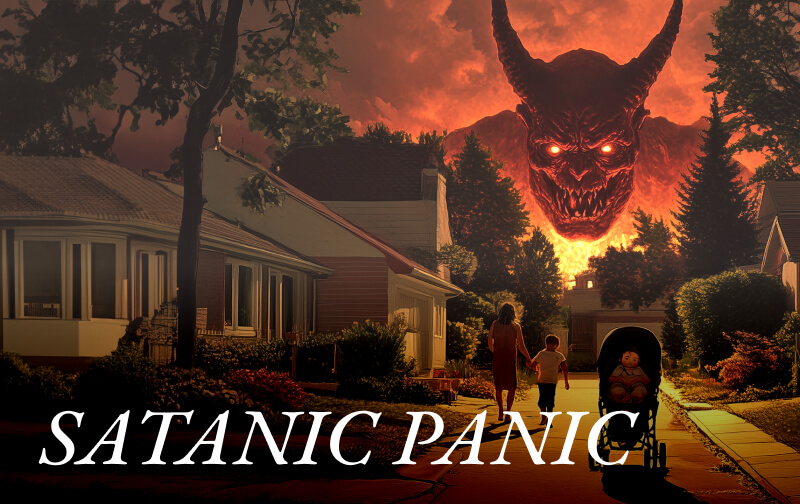
SATANIC PANIC: the Archetypal Slanderer and False Memory Syndrome
The Satanic Panic emerged as a uniquely intense moral panic, capturing public imagination and sparking widespread anxiety. This wave of hysteria originated in the 1980s amid fears of Satanic ritual abuse (SRA), particularly involving children. Public opinion, shaped by sensational media coverage, assumed a pervasive, organized threat, with accusations of ritualistic abuse taking place in everyday institutions like daycare centers. People came to believe that secret cults operated at every level of society, feeding off the deeply rooted fear of an underworld devoted to harm, subverting moral order, and corrupting the young. This period catalyzed a moral crisis as communities, families, and institutions wrestled with disturbing accusations while researchers and law enforcement searched in vain for evidence.
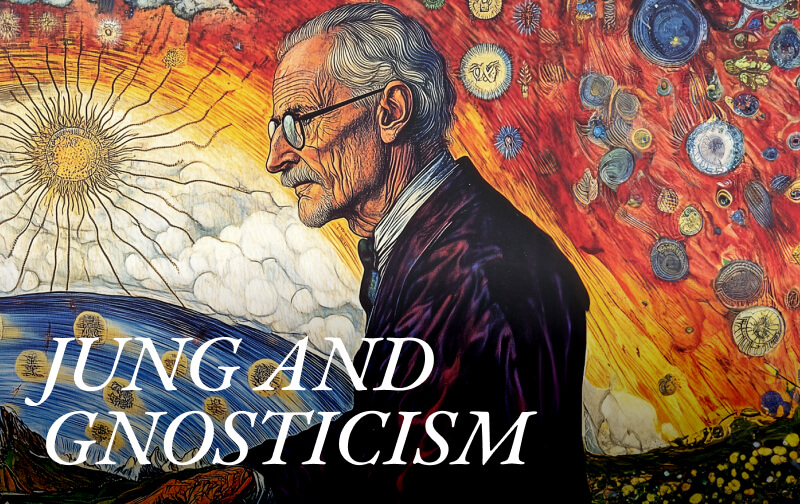
Jung and Gnosticism: Discover a Universe of Whole-Making
Jung’s exploration of Gnosticism significantly shaped his understanding of the Self as the totality of the psyche, a concept central to analytical psychology. In Aion: Researches into the Phenomenology of the Self, he draws a direct parallel between the Gnostic figure of the Anthropos and the psychological Self. In Gnostic mythology, the Anthropos represents the primordial, unified human being—symbolizing a state of wholeness that encompasses both the divine and human, the spiritual and the material. Jung saw this figure as an archetype of the Self, which, in his psychology, is the integration of both conscious and unconscious elements of the psyche.
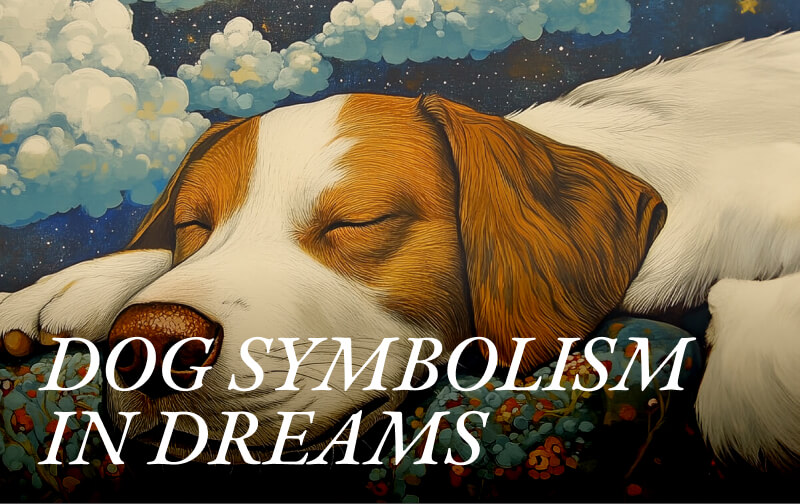
DOG SYMBOLISM IN DREAMS: Companions, Protectors and Guides of Souls
We love dogs, and they love us. For millennia, they have held deep symbolic meaning in mythology, religion, and literature, often serving as protectors, guides, loyal companions, and a connection to our instincts. When it comes to dog symbolism in dreams, they can embody emotional support, intuition, or boundless enthusiasm. Whether acting as guardians or loyal companions, like in ancient myths, dogs often reflect our need to trust our instincts and deal with unresolved issues or unprecedented life transitions. Their appearance in dreams evokes a connection between our conscious and unconscious minds, helping us navigate challenges that our waking minds cannot fully grasp.
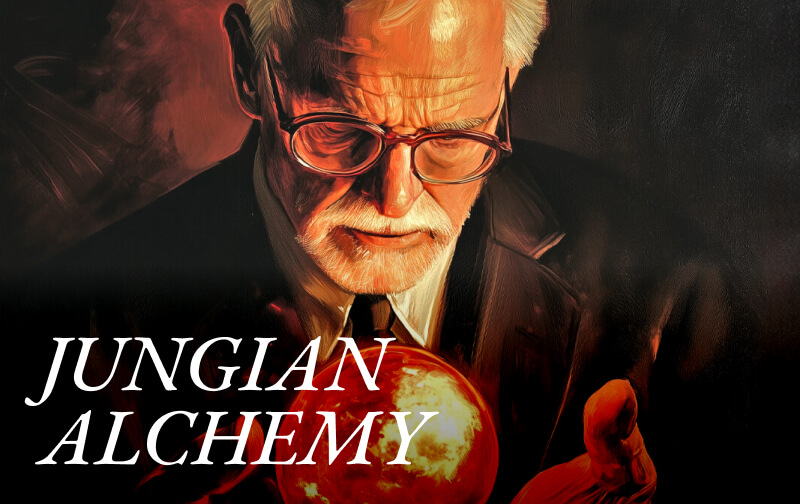
Jungian Alchemy: The Secret of Inner Transformation
Jungian alchemy is the art of turning inner lead into gold, a transformation not of metals but of the human soul. Jung thought of alchemy as the projection of a drama, both cosmic and spiritual in laboratory terms, seeing in it a profound symbol for the individuation process—a journey toward psychic wholeness and the realization of the Self. Deeply fascinated by its symbols and enigmatic language, Jung found in alchemy a rich parallel to the transformation of the psyche, a symbolic system mapping out the struggles, dissolutions, and integrations faced by himself and his patients. The esoteric texts and cryptic imagery of alchemists—long misunderstood as primitive science—contained the hidden wisdom of the unconscious, unfolding the stages of inner purification, death, rebirth, and spiritual awakening. For Jung, alchemy became a key to understanding the universal process of self-discovery, drawing together myth, dreams, and the sacred art of psychological transformation.
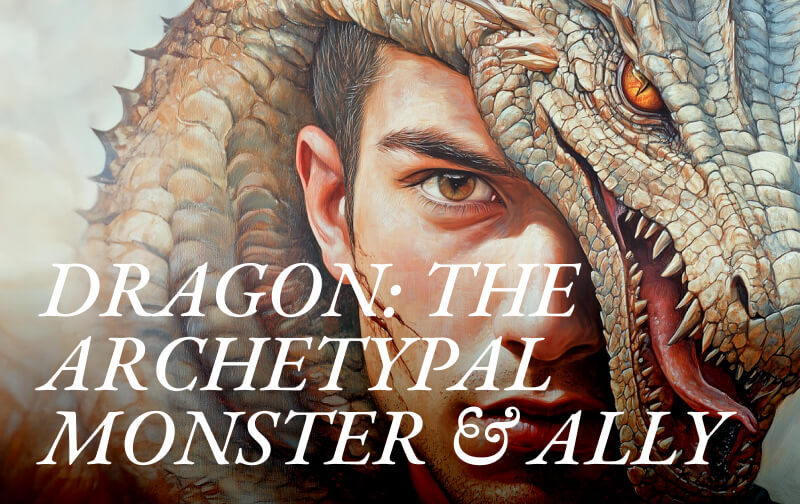
DRAGON: The Archetypal Monster and Ally Within
Dragons are everywhere—in mythology, dreams, and psyche. They appear in stories across cultures and ages, signaling something deep and profound about our shared human experience. These powerful symbols act as bridges to the collective unconscious. Their powerful influence frames them as enemies and allies, representing chaos, regression, and, at times, profound wisdom. The symbolism of dragons reflects our fears and primal desires, revealing how we grapple with the unknown in ourselves and the world around us.

STUCK IN THE COMFORT ZONE: When Wrong Feels Right, and Right Feels Wrong
Understanding the tension between Ego-Syntonic vs Ego-Dystonic behaviors is essential for personal growth. Often, we cling to familiar patterns that feel comfortable (ego-syntonic), even when they increase our suffering, while the changes that can truly transform our lives feel unsettling (ego-dystonic). By embracing the discomfort of novel actions and confronting the parts of ourselves we have long rejected, we can align with our authentic Self. True growth requires us to trust the transformation process, integrating new ways of being that challenge our identity but ultimately lead to a more fulfilling and balanced life.