pixel
Joseph Lee
Unlocking the Power of Your Shadow

Unlocking the Power of Your Shadow

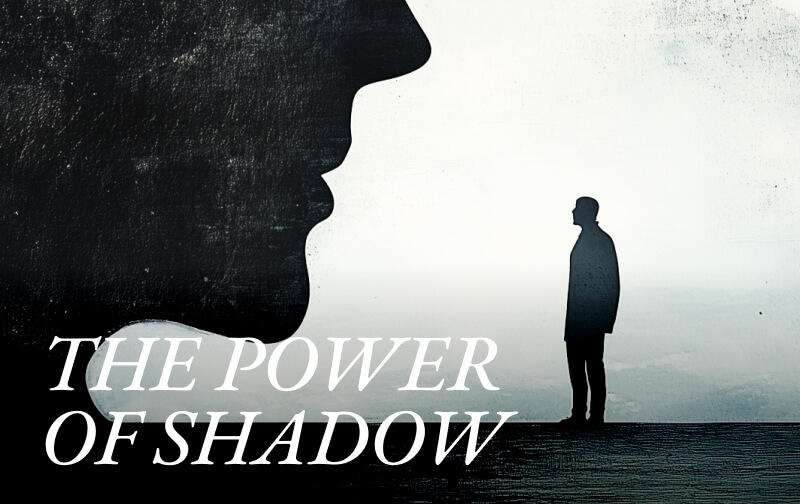
f you’ve ever been startled by an impulsive action or a sharp comment you later regret, you’ve likely met your shadow. The shadow refers to aspects of ourselves—traits, impulses, fantasies—that we’d rather not claim as our own. These hidden dimensions lie outside our everyday awareness, shaping behaviors and blocking us from deeper intimacy with ourselves and others. At first glance, it can be unsettling to acknowledge these unwelcome parts of psyche. Yet it is precisely through learning to see, hear, and eventually befriend them that we gain an honest sense of who we are. It requires us to move beyond denial and projection and bring these aspects into conscious dialogue. The reward? Reduced self-sabotage, enhanced creativity, and greater capacity to connect with loved ones from a more authentic place.
The Boundary Paradox: How Limits Create Freedom

The Boundary Paradox: How Limits Create Freedom

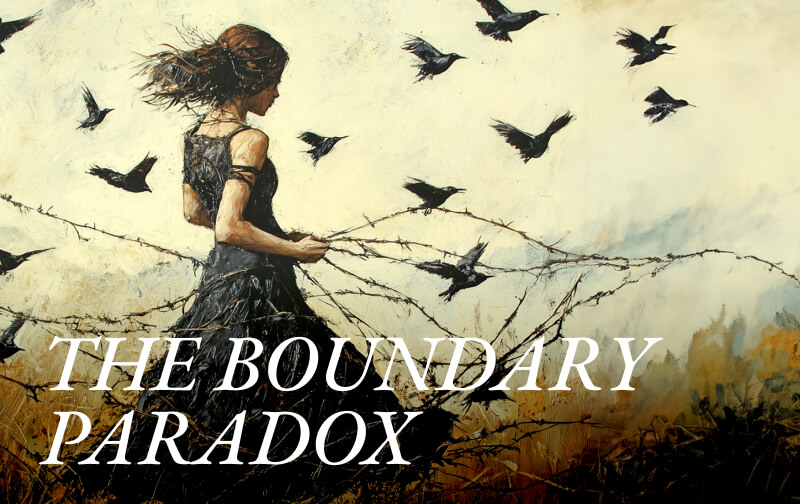
Psychological boundaries are the invisible lines that define our limits – what we consider acceptable or unacceptable in interactions and within ourselves​. The term boundary is metaphorical, borrowed from the idea of a line separating areas: what lies “in-bounds” is permitted, while what lies “out-of-bounds” is off-limits​. In practice, personal boundaries help clarify where one person ends and another begins, both physically and emotionally​. Maintaining healthy boundaries is widely regarded as a hallmark of emotional maturity and well-being​. crucial for preserving one’s identity, safety, and mental health in relationships and social life.

VISIONS: When the Mystery Breaks Through

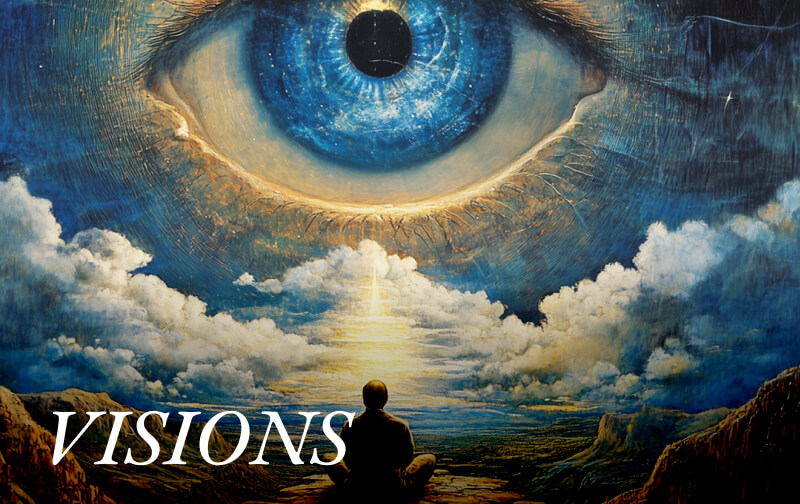
VISIONS: When the Mystery Breaks Through

Visions have played a vital role in humanity’s story since ancient times, serving as windows into unseen realms and shaping our collective imagination. In ages long past, individuals who claimed encounters with gods or spirits often served as crucial intermediaries between their communities and the mysterious powers they believed governed the cosmos.

DREAM TELEPATHY: Is it real?

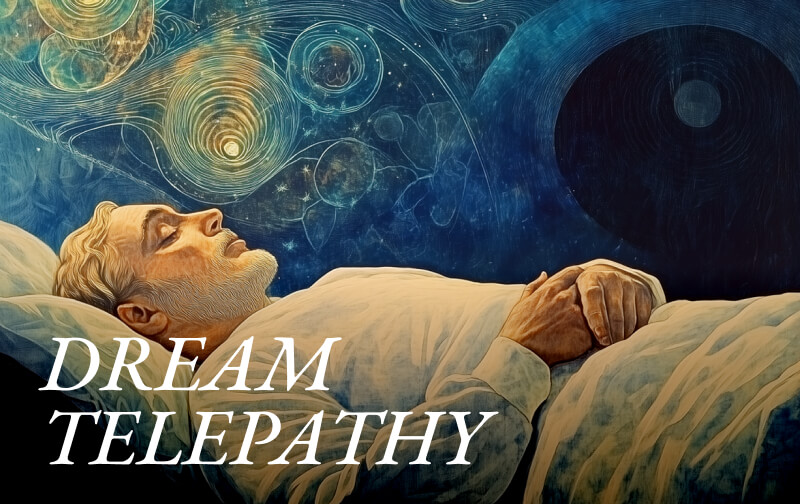
DREAM TELEPATHY: Is it real?

Picture yourself drifting off to sleep, mind at ease, thoughts gently flickering in the darkness. Now imagine that in another home—maybe across town, maybe across an entire continent—someone else settles into bed with a very specific image in mind. When morning dawns, you share an uncanny discovery: that exact color, creature, or shape shows up in your own dream journal. This phenomenon, often called dream telepathy, has intrigued scientists and curious explorers alike, fueling questions about just how far our unconscious mind can stretch.

SHADOWLAND: Self-Harm Cults – The Story of Sarah

SHADOWLAND: Self-Harm Cults – The Story of Sarah

The Self-Harm Cult 764 actively targets children as young as nine years old with subtle online recruitment and emotional manipulation. Young people often feel unseen or misunderstood, which makes them vulnerable to promises of praise and validation. They are shown progressively more intense gory images and graphic sexual content to desensitize them. Group leaders then threaten them with exposure and violence, so fear and secrecy expand and trap children in cycles of isolation. Parents may notice sudden changes in their child’s behavior but struggle to identify the underlying factors.

DREAMOGRAPHY PROJECT: The Symbolism of Travel Inner and Outer

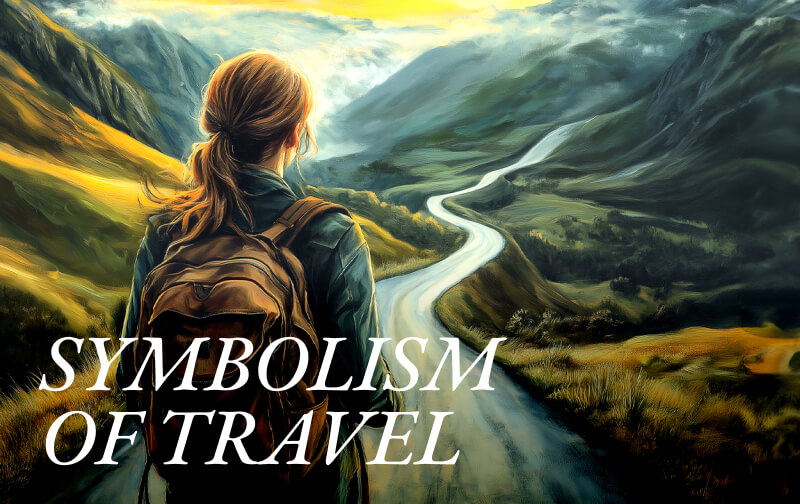
DREAMOGRAPHY PROJECT: The Symbolism of Travel Inner and Outer

Travel appears in manifold forms, from dreams of venturing to a far-off land or boarding a ship bound for uncertain waters to flights through the sky. Again and again, these images lead to new territory—uncharted psychic domains. Such journeys often occur at critical junctures when the conscious attitude needs to be balanced or even thoroughly upset by powerful compensations emerging from the unconscious. In these moments, Psyche responds by sending the individual abroad—an inner summons whose aim is the recovery of vital contents long buried or unlived.

The Archetypal Brain: Jung from an Evolutionary Perspective

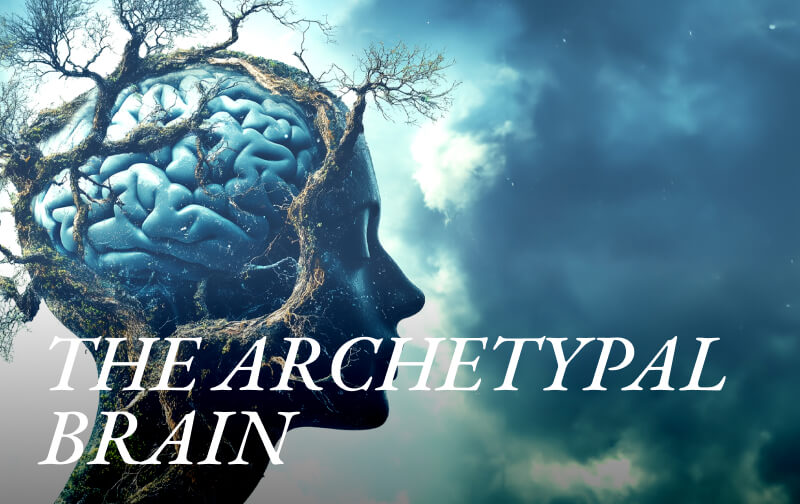
The Archetypal Brain: Jung from an Evolutionary Perspective

The discussion delves into the influence of indigenous cultures on understanding consciousness, the role of anthropology in Jung’s work, and the implications of evolutionary development on human psychology. In this conversation, Gary and Lisa delve into the connections between evolutionary biology, psychology, and the role of rituals in human development.

Facing Rejection

Facing Rejection

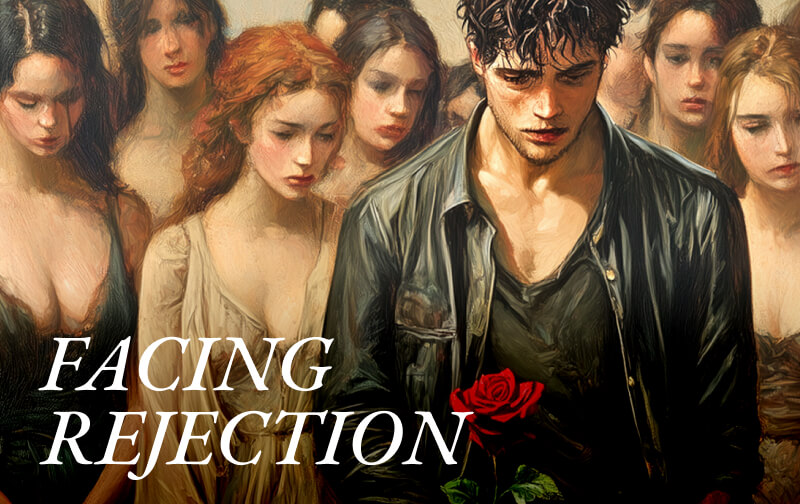
Facing Rejection, as an elemental psychological experience, functions as both a destabilizing force and a catalyst for transformation. It operates not only at the personal level but ripples through cultural, mythological, and archetypal layers, embedding itself in the architecture of Psyche. Whether rejection arises from interpersonal relationships, societal exclusion, or internal conflicts, its presence initiates a confrontation with the unconscious. This often takes the form of shadow projection, where disowned traits are seen in others, creating cycles of resentment, isolation, or rage. But within this dynamic lies an opportunity: the rejected individual, when engaging consciously with this pain, can redirect it towards individuation. Without this engagement, rejection festers, creating neurotic symptoms or destructive behaviors that further alienate the individual from the outer world and inner wholeness.

Changing the Foundation of Personality: the Secret Power of Attitudes

Changing the Foundation of Personality: the Secret Power of Attitudes

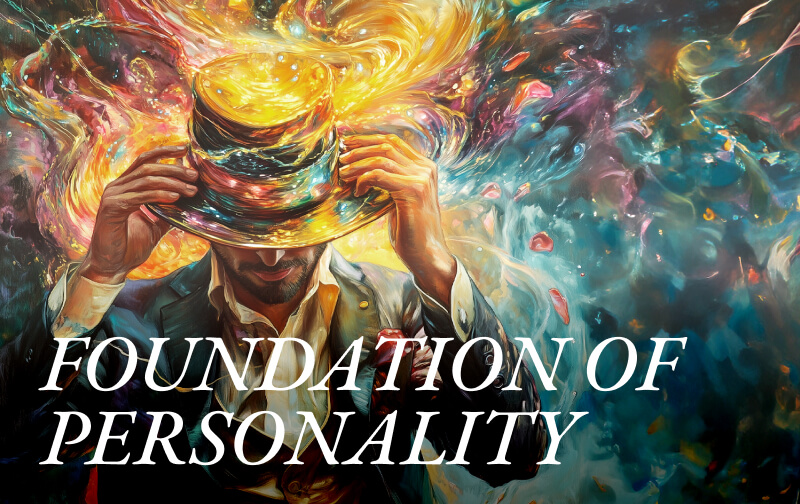
Alchemy teaches us that transformation begins with dissolution—the breaking down of rigid structures so something new can emerge. Psyche follows this same law. When our attitude becomes fixed, one-sided, or unconscious, it traps psychic energy in repetitive loops of thought and behavior. This stagnation breeds suffering. The task is not just a correction of thinking but a reconfiguration of energy, a transmutation of psychic material into something more whole. We need an alchemical process of psychological transformation that integrates unconscious information and loosens rigid ego control.

What Remains When All Is Taken: Standing in the LA Wildfires

What Remains When All Is Taken: Standing in the LA Wildfires

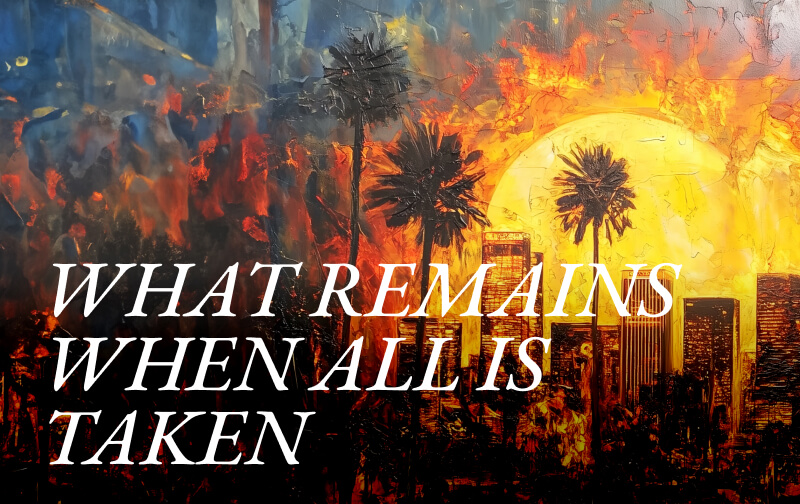
Fire is the great eraser. It recognizes no hierarchy, no privilege, no sanctuary. The inferno of Los Angeles, relentless in its advance, strips away the illusions of permanence—homes reduced to embers, landmarks erased, identities fragmented into smoke. This week’s wildfires, consuming over 20,000 acres and displacing thousands, remind us of nature’s raw and indifferent power. Yet fire is not solely an agent of destruction; it is also a force of transformation. What remains when all is lost? What emerges when the familiar is torn away?

Feet, Fashion, and Freedom: Shoes as Symbols of Identity

Feet, Fashion, and Freedom: Shoes as Symbols of Identity

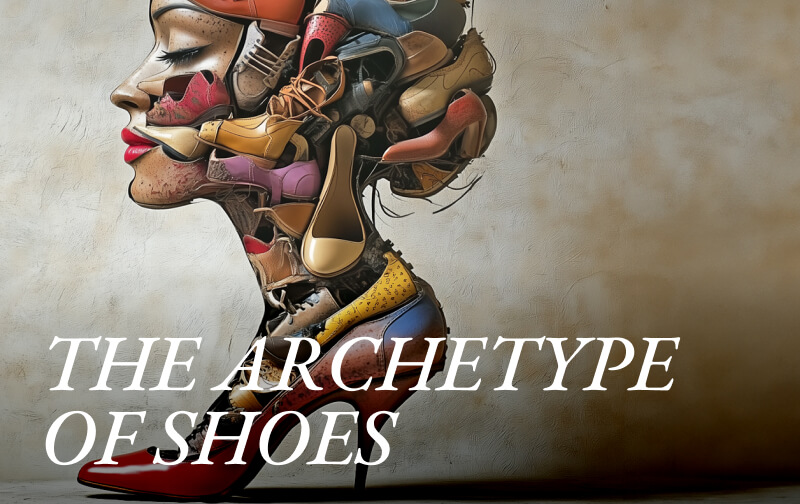
Shoes as Symbols connect identity, culture, and creative adaptation. Shoes reflect our movement through life and mark pivotal transitions, helping us hold the tension between vulnerability and agency. They appear in myths and stories as agents of change, signaling the emergence of a new attitude and facilitating its embodiment. The simple act of wearing shoes bridges the physical and psychological, grounding us while enabling exploration. Shoes communicate individual and collective identity, shaping and revealing roles in society. Tales, like Hans Christian Andersen’s The Red Shoes and Cinderella with her glass slippers, dramatize the tension between freedom and constraint, alienation and belonging. Exploring shoes in cultural narratives reveals their role in expressing and shaping psyche. Whether it’s the first tiny black patent leather shoes for a holiday or the first ski boots, their presence in childhood marks key moments of growth and self-discovery. Shoes empower us to adventure forward by protecting our vulnerable feet in innumerable styles that reflect the way we wish to be seen. Without realizing it, every step reveals where we’ve come from and where we are heading.

Analyzing Our Childhood Dreams

Analyzing Our Childhood Dreams

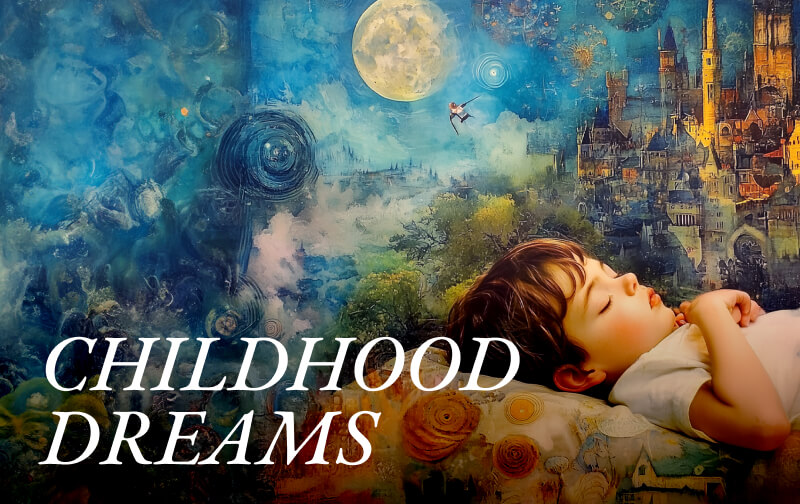
Emerging from the nascent psyche, childhood dreams arise unmediated by the ego’s defenses, bringing archetypal images to the fore. The threshold between consciousness and the unconscious remains thin, allowing symbolic material to emerge unfiltered. This unrefined quality reveals universal patterns—images of wholeness, death, and transformation—that speak to the deep structure of the psyche. These dreams tap into the collective unconscious, offering not only insights into individual development but also access to the timeless, mythic currents that shape human experience. Such imagery often prefigures significant themes in later life, serving as markers of the psyche’s early attempts to orient itself within the vast terrain of existence.