If we envision archetypes as cosmic blueprints, then archetypal images are the tangible expressions that emerge from this transcendental plan. They are the houses built upon the foundation of archetypes, manifesting in a multitude of forms while remaining interconnected through their shared universal design. Separating archetypes and their imagery clarifies how one gives rise to the other yet remains distinct.

GAMES: metaphor for life
Nov 24, 2022
Games introduce us to conditions of life, for we must play the hand we’ve been dealt. Confronted with the limitations of ego and understanding, we may discover that games are metaphors for the movement of a mysterious cosmos.
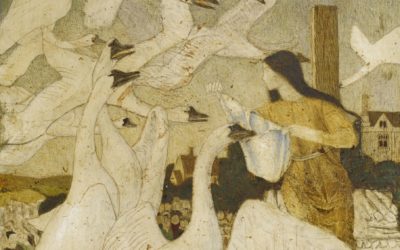
SEWING: Stitching a Life Together
Nov 10, 2022
What we sew has a limited lifespan, as do we. Stitching our inner and outer lives together day by day, we can create raiment for the soul.
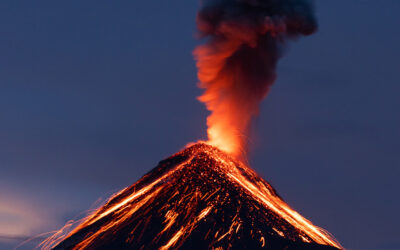
VOLCANO: archetype of creation and destruction
Oct 6, 2022
Volcanoes appear in our myths, movies, and dreams. Their awesome destructive power fascinates us and serves as a reminder that we are not in control of nature’s primordial forces. Offering access to the earth’s molten core, volcanoes have been believed to be the entryway to the underworld or Hell. The Greeks believed that the fiery bursts from volcanoes were the sparks flying from Hephaestus’ forge, thus underscoring the creative aspect of volcanoes – Hephaestus created items of incredible beauty and power in his underground workshop. Volcanoes create new rocks and new land mass. Their mineral-rich output fertilizes the surrounding soil, producing abundant and delicious crops. The volcano serves as a potent image of the unconscious – unpredictable, sometimes explosive, powered from the depths – but also capable of bestowing its fructifying blessing upon us.
Episode 11 – Fairy Tales
Aug 14, 2018
Why do Jungians care about fairy tales?
THE SHAPE OF WATER: a tale of tragedy or triumph?
Aug 14, 2018
The Shape of Water recently won the Academy Award for best film, captivating audiences with its dream-like images of an other-worldly love. What can a psychological perspective contribute to understanding this film?