Lying, hiding and sneaking are examples of trickster behavior, discussed as they occur in political and personal spheres.
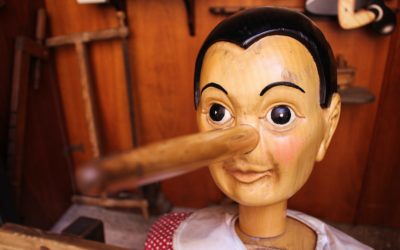

Lying, hiding and sneaking are examples of trickster behavior, discussed as they occur in political and personal spheres.

As three analysts, we explore the archetype of “the gun” from a Jungian psychological view and seek to understand it’s influence in the collective psyche of Americans.

How can we understand the superficial label assigned to masculine behavior in today’s meme-driven style of discourse?
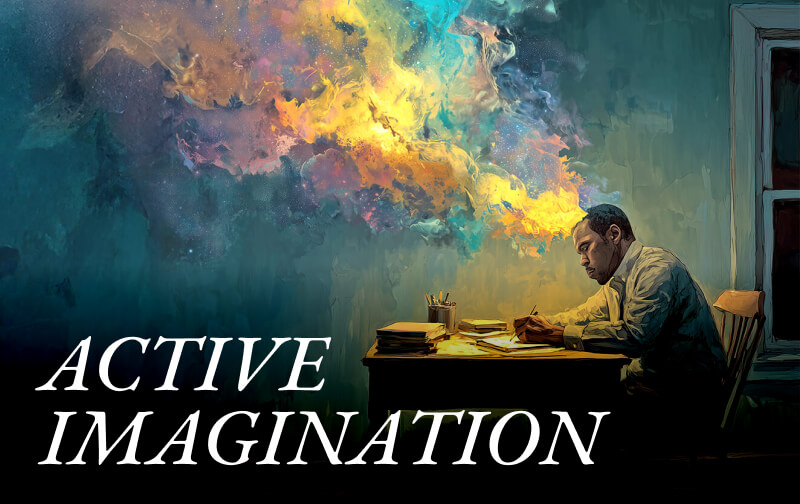
Jung pioneered the technique of active imagination, a process by which the ego engages with imagery and content generated by the unconscious.
Anxiety is one of the most common complaints that bring people into therapy. While it can be difficult to differentiate anxiety from healthy fear we all agree that finding an ally to stand with us makes a big difference.

Why do Jungians care about fairy tales?
Synchronicity is a concept that has fascinated thinkers across disciplines for decades, and few have delved as deeply into its nature and implications as the Swiss psychologist Carl Jung. According to Jung, synchronicity refers to meaningful coincidences that defy rational explanation, but that feel infused with a sense of significance or destiny. But how do we recognize such coincidences, and what role do they play in our lives and psyches?

Is alcohol dependence a misplaced expression of a spiritual thirst, or a collapse into a regressed and infantile state? We discuss Jung’s involvement in the establishment of Alcoholics Anonymous.

What’s the difference between shaming, being ashamed, and being shameless? Which of these is most alive in the culture right now? Why do we feel existential shame, and how can it be healed?

We take a look at emotional affairs and imaginal affairs. Both are more common than you might think and can lead us into an experience of our own depths.

The Shape of Water recently won the Academy Award for best film, captivating audiences with its dream-like images of an other-worldly love. What can a psychological perspective contribute to understanding this film?

Are hookups a joyous celebration of unbridled sexual expression? A defense against intimacy? All of the above?