pixel
Analytical Psychology
BEAUTY, her BEAST, and the BLOSSOMING SELF

BEAUTY, her BEAST, and the BLOSSOMING SELF

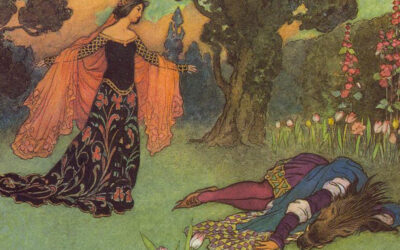
The tale of Beauty and the Beast is at least 4,000 years old, perhaps second in popularity only to Cinderella. It has generated many print versions, animated films, a Broadway show, and a Disney film. What about this tale continues to ensure its popularity? And what is this tale really about?

UGLY DUCKLING COMPLEX: the painful path of transformation

UGLY DUCKLING COMPLEX: the painful path of transformation

We all understand the Ugly Duckling complex because we lived it at one time or another. Hans Christian Anderson’s famous tale paints a poignant picture of a child’s experience of rejection only because he’s born in the wrong nest. People who seem different or have not yet matured into their natural beauty endure a kind of scorn that can bring them to despair. The ugly duckling’s capacity to endure and find refuge once he is recognized by fellow swans can hearten us during the long winters of our lives.

SHADOWS & HIGH STAKES: Understanding Gambling

SHADOWS & HIGH STAKES: Understanding Gambling

Understanding gambling can help us navigate the treacherous currents of desire, risk, and reward that define our relationship with this capricious world. The enigmatic nature of gambling captivates our imagination, drawing us towards the hypnotic dance of fortune and chance. From ancient Mesopotamian ‘knucklebones’ to the neon-lit casinos of Las Vegas, its allure permeates human history. Together we’ll weave through the gambler’s psyche to unveil the psychospiritual underpinnings that draw us toward Lady Luck.

WHISKERS of WISDOM: A Jungian Analysis of Puss in Boots

WHISKERS of WISDOM: A Jungian Analysis of Puss in Boots

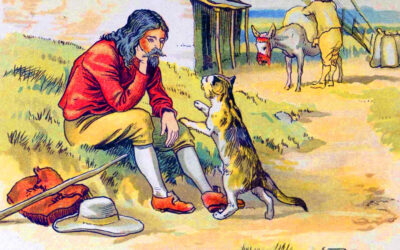
Something about a cat wearing clothes has captured our imagination for over 500 years, so it’s about time we tackle a Jungian analysis of Puss in Boots. From fairytales in the Late Middle Ages to recent YouTube videos, people delight in dressing their pets in human garb and even more so when they adopt human behaviors. If a parrot squawks curse words, we giggle, and if a dog-bark sounds like a human phrase, we lean in with wonder. So perhaps the fairytale Puss in Boots can help us understand our creative urge to project essential aspects of psyche onto our animal companions.

ARCHETYPAL IMAGES: the soul’s language

ARCHETYPAL IMAGES: the soul’s language

If we envision archetypes as cosmic blueprints, then archetypal images are the tangible expressions that emerge from this transcendental plan. They are the houses built upon the foundation of archetypes, manifesting in a multitude of forms while remaining interconnected through their shared universal design. Separating archetypes and their imagery clarifies how one gives rise to the other yet remains distinct.

MEDUSA’S MANY FACES: the evolution of a myth

MEDUSA’S MANY FACES: the evolution of a myth

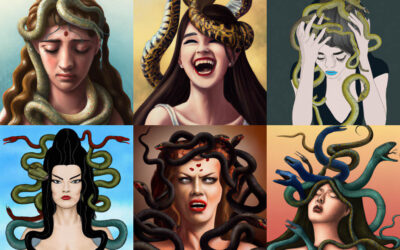
The symbolism of Medusa, one of the three Gorgon sisters in Greek mythology, has captivated and perplexed the imagination of artists, writers, and philosophers for centuries. Originally depicted as a monstrous creature with snakes for hair and the ability to turn onlookers to stone, Medusa has undergone a remarkable transformation.

THE DARK TRIAD: tracking wolves in our midst

THE DARK TRIAD: tracking wolves in our midst

Understanding the Dark Triad can help us navigate mysteriously troubled relationships in all spheres of life. Psychologists coined the term to describe a trifecta of malevolent personality traits: narcissism, machiavellianism, and psychopathy. Although less sinister than any one full-blown personality disorder, it still affects the soul plagued by it and those in reach of its host.

PAN: the archetypal source of panic disorder

PAN: the archetypal source of panic disorder

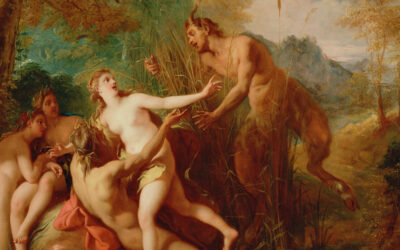
Piping through mountains and glens, the great god Pan carries the relentless procreative power of nature. Oldest of the gods, even the Olympians, he symbolizes the archaic level of psyche from which all wild instinct rises. Timeless and universal, his presence was venerated in fields and grottoes to sustain life against all odds, feared during war as his panic could undo even the Titans and attacked in the Common Era as the image of the devil.

SCHADENFREUDE: Why do we enjoy seeing others fail?

SCHADENFREUDE: Why do we enjoy seeing others fail?

If we’re completely honest, there’s a dark delight in seeing someone embarrass themselves, especially if we think they deserve it. So, when our irritating boss stomps by our cubicle trailing a few feet of toilet paper from his shoe or a controversial politician is caught in a sexual picadillo, we’re likely to stifle a laugh or at least enjoy a self-satisfied sigh. This joy in someone’s shame or misfortune is called schadenfreude.

The PIED PIPER & the terrible costs of rejecting shadow

The PIED PIPER & the terrible costs of rejecting shadow

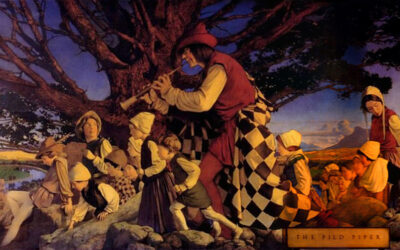
The enduring interest in the Pied piper lies in its symbolic resonance with psyche. When we place the events in our imaginal world, our curiosity is liberated, and our questions become more interesting. What are the pestilential rats inside us? What happens when we ask another person to solve our inner problems? How does the unconscious react when we trick and devalue the inner and outer figures who help us along our way?

The ORPHAN: symbol of eros, pathos, and hope

The ORPHAN: symbol of eros, pathos, and hope

The archetype of the orphan, closely related to the hero, evokes powerful feelings of abandonment, deprivation, and hope. From Harry Potter to Little Orphan Annie from Daenerys Targaryen to Cinderella, orphans who triumph over adversity inspire us.

AWAKE TO THE WORLD: Jung’s Ethical Stance

AWAKE TO THE WORLD: Jung’s Ethical Stance

Despite volumes written on morality and ethics, how do we determine what’s right? Values distilled over time by family, faith, and nation define and denounce wrong, but the effort to banish shadow only allows it to emerge as projection onto others.