Over 25 Million Downloads
Our Podcast
Eavesdrop on Lisa, Deb, and Joseph as they engage in lively, sometimes irreverent conversations about a wide range of topics and dream analysis through the lens of depth psychology provided by Carl Jung.
Over 25 Million Downloads
Our Podcast
Top five listener favorites
Upcoming Price Increase
Thinking about joining Dream School?
The price of joining This Jungian Life Dream School will be increasing by around ten percent on March 1st, reflecting rising costs and the continued depth of what we offer inside the program. If you’ve been thinking about joining, this is a good moment to come on board at the current rate before the increase takes effect.

Spotify

Apple

YouTube

Tune In

Pandora

REUNIONS: Is there value in remembering our younger selves?
We organize reunions because we yearn to reconnect with old friends, recall shared experiences, and reignite a sense of community. We all need meaningful social contact and enjoy nostalgia. While coming together can feel alluring, actually attending the event may evoke a spectrum of ambivalent feelings. We’re likely to feel judged for our achievements, appearance, or socioeconomic status, especially compared to our peers. Transitioning into adulthood is often tumultuous, marked by intense negative experiences, and revisiting those periods can be daunting. Attending reunions can inadvertently reactivate traumatic memories, making the decision to participate a delicate one for many of us. Seeing a former bully or revisiting a dorm can bring back the anxiety, fear, loneliness, or sadness of those formative years. We might even find ourselves sweating or feeling trapped. Recognizing and validating our fears is crucial.

Donald Kalsched – Can running our minds like a democracy save us?
Jung discovered our inner world is populated by various imaginal figures representing powerful psychological forces. If we treat our minds as democratic spaces, it can safeguard us from internal and external authoritarian influences.

Why Do We Push People Away? Understanding our Defenses
Defense mechanisms function as unconscious psychological strategies we deploy to navigate reality and sustain a consistent self-image. They act as a shield, guarding against feelings of anxiety, shame, and vulnerability. They are feeling states that prompt us to avoid contact and trick us into thinking they protect us against emotional harm.

Selkie Folklore: Should we force soul to serve us?
The Selkie swims ashore at night, sheds her seal skin, hides it, and delights in her human form. In Celtic lore, she is the wild feminine soul, a creature of land and sea, innocent and beautiful, who cannot thrive in domesticity.

INITIATIONS: universal processes that spark transformation
The archetype of Initiation is primordial, and its force shapes our transformative transitions. For Jung, this change reshapes spiritual, emotional, intellectual, behavioral, and social dynamics.
Informed by his anthropological studies, Jung understood the necessity of formal ceremonies, accentuating their role in facilitating separation from parental influences and integration into the adult community. These rites fulfilled archetypal developmental demands to mark a clear break from childhood and foster a deeper connection with the adult community, often through physical and symbolic rites. On a cultural level, these ceremonies helped contain unconscious forces that made collaborative culture possible.

THE BARBIE MOVIE: Can it Dismantle an American Myth?
In 1959, the Barbie doll hit the market and created a stir. American mothers objected to her sensuous form, so Mattel marketed it directly to children, a tactic never used before, and it worked. The maternal archetype of Hera, sentinel of the social order, goddess of childbirth, and protectress of the home, was supplanted. Aphrodite, the captivating goddess exuding an aura of beauty, desirability, and persuasive allure, had arrived.
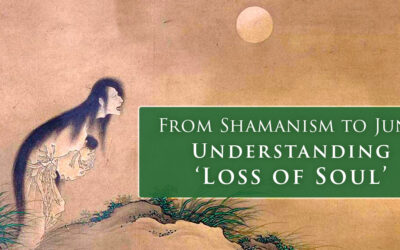
From SHAMANISM to JUNG: Understanding’ Loss of Soul’
“Loss of soul amounts to a tearing loose of part of one’s nature; it is the disappearance and emancipation of a complex, which thereupon becomes a tyrannical usurper of consciousness, oppressing the whole man. It throws him off course and drives him to actions whose blind one-sidedness inevitably leads to self-destruction.”
CG Jung CW6, para 384

HAGITUDE: Sharon Blackie on the power of aging
Elderhood can be a time to shed the roles assigned to us. Menopause can be welcomed as a rite of passage with the Hag silently waiting for us to see her. If we have learned how to recognize her, renewal and reclaiming is possible. The stories of those who have gone before us carry a strange beauty that can stir a memory in our soul and set us on the path.
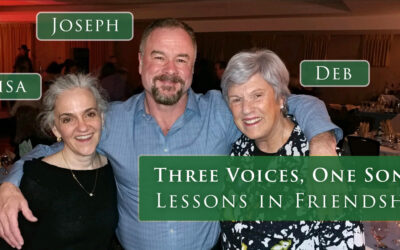
Three Voices, One Song: lessons in friendship
With high spirits, we three revisit our first meeting and reflect on the discovery of kinship between us. Our experiences of trust, reciprocity, and shared hardship marked by endless conversations and abundant laughter forged our bond during analytic training. Yet it reflects more than our shared life; friendship is archetypal.

You’re Not a Fraud: Overcoming Imposter Syndrome
Imposter syndrome constellates the gut-wrenching fear of being exposed as a fraud no matter how much we have learned or the successes we have demonstrated. In 1978 two researchers identified and explored a painful phenomenon among some high-achieving women. Despite their high levels of success, they were convinced they were not as competent, intelligent, or skilled as others might think. Instead of identifying with their capabilities, they often attributed their success to luck, personal persuasion, or an unanticipated burst of energy. Further research revealed this struggle was equally distributed among men and women.
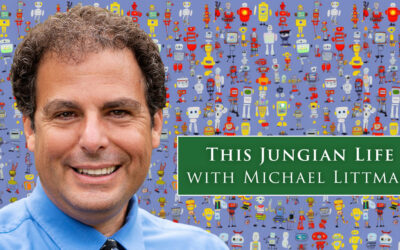
FRIEND or FOE: The AI Debate with Michael L. Littman, PhD
The uses and abuses of ChatGBT artificial intelligence language model have taken the collective imagination by storm. Apocalyptic predictions of the singularity, when technology becomes uncontrollable and irreversible, frighten us as we imagine a future where human intelligence is irrelevant. Prof. Michael Littman joins us to contextualize the advancement of artificial intelligence and debunk the paranoid rhetoric littering the public discourse.
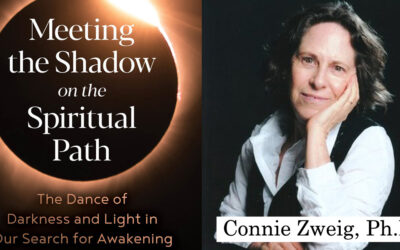
Meeting Shadow on the Spiritual Path with Connie Zweig
Award-winning author, depth psychotherapist, and guide Connie Zweig shows us encountering darkness is a necessary part of our spiritual journey. In the first half of life, we disown aspects of ourselves to fit in and navigate our world more smoothly. Over time we realize all aspects of ourselves must be recalled and befriended. Integration of these shadow aspects lays the foundation for spiritual awakening.