pixel
Archetypal
INITIATIONS: universal processes that spark transformation

INITIATIONS: universal processes that spark transformation

The archetype of Initiation is primordial, and its force shapes our transformative transitions. For Jung, this change reshapes spiritual, emotional, intellectual, behavioral, and social dynamics.

Informed by his anthropological studies, Jung understood the necessity of formal ceremonies, accentuating their role in facilitating separation from parental influences and integration into the adult community. These rites fulfilled archetypal developmental demands to mark a clear break from childhood and foster a deeper connection with the adult community, often through physical and symbolic rites. On a cultural level, these ceremonies helped contain unconscious forces that made collaborative culture possible.
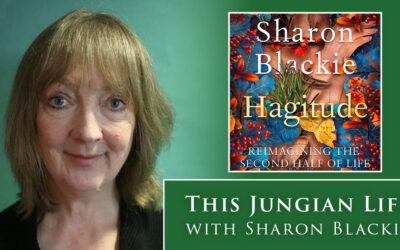
HAGITUDE: Sharon Blackie on the power of aging

HAGITUDE: Sharon Blackie on the power of aging

Elderhood can be a time to shed the roles assigned to us. Menopause can be welcomed as a rite of passage with the Hag silently waiting for us to see her. If we have learned how to recognize her, renewal and reclaiming is possible. The stories of those who have gone before us carry a strange beauty that can stir a memory in our soul and set us on the path.

HEALING the RIFT: Anima Mundi in a Disenchanted World

HEALING the RIFT: Anima Mundi in a Disenchanted World

To reimagine that we are part of a responsive web of life, is to resist the mechanistic worldview that treats nature as a lifeless object to be controlled and exploited. It reawakens a parallel universe where our material actions simultaneously appear in our inner world, not as photographs of our acts but as symbols that reveal the secret relationship between ourselves and those we influence.

BEAUTY, her BEAST, and the BLOSSOMING SELF

BEAUTY, her BEAST, and the BLOSSOMING SELF

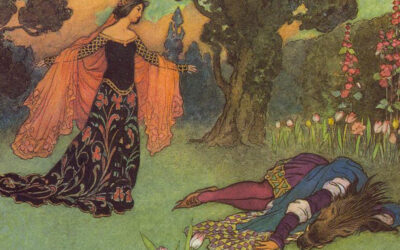
The tale of Beauty and the Beast is at least 4,000 years old, perhaps second in popularity only to Cinderella. It has generated many print versions, animated films, a Broadway show, and a Disney film. What about this tale continues to ensure its popularity? And what is this tale really about?

UGLY DUCKLING COMPLEX: the painful path of transformation

UGLY DUCKLING COMPLEX: the painful path of transformation

We all understand the Ugly Duckling complex because we lived it at one time or another. Hans Christian Anderson’s famous tale paints a poignant picture of a child’s experience of rejection only because he’s born in the wrong nest. People who seem different or have not yet matured into their natural beauty endure a kind of scorn that can bring them to despair. The ugly duckling’s capacity to endure and find refuge once he is recognized by fellow swans can hearten us during the long winters of our lives.

SHADOWS & HIGH STAKES: Understanding Gambling

SHADOWS & HIGH STAKES: Understanding Gambling

Understanding gambling can help us navigate the treacherous currents of desire, risk, and reward that define our relationship with this capricious world. The enigmatic nature of gambling captivates our imagination, drawing us towards the hypnotic dance of fortune and chance. From ancient Mesopotamian ‘knucklebones’ to the neon-lit casinos of Las Vegas, its allure permeates human history. Together we’ll weave through the gambler’s psyche to unveil the psychospiritual underpinnings that draw us toward Lady Luck.

WHISKERS of WISDOM: A Jungian Analysis of Puss in Boots

WHISKERS of WISDOM: A Jungian Analysis of Puss in Boots

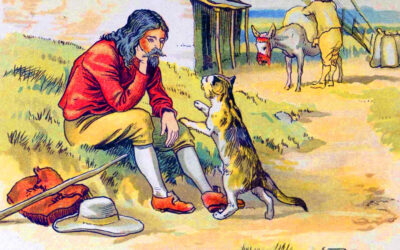
Something about a cat wearing clothes has captured our imagination for over 500 years, so it’s about time we tackle a Jungian analysis of Puss in Boots. From fairytales in the Late Middle Ages to recent YouTube videos, people delight in dressing their pets in human garb and even more so when they adopt human behaviors. If a parrot squawks curse words, we giggle, and if a dog-bark sounds like a human phrase, we lean in with wonder. So perhaps the fairytale Puss in Boots can help us understand our creative urge to project essential aspects of psyche onto our animal companions.

ARCHETYPAL IMAGES: the soul’s language

ARCHETYPAL IMAGES: the soul’s language

If we envision archetypes as cosmic blueprints, then archetypal images are the tangible expressions that emerge from this transcendental plan. They are the houses built upon the foundation of archetypes, manifesting in a multitude of forms while remaining interconnected through their shared universal design. Separating archetypes and their imagery clarifies how one gives rise to the other yet remains distinct.

MEDUSA’S MANY FACES: the evolution of a myth

MEDUSA’S MANY FACES: the evolution of a myth

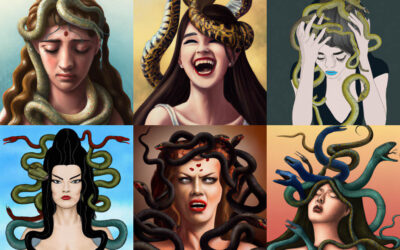
The symbolism of Medusa, one of the three Gorgon sisters in Greek mythology, has captivated and perplexed the imagination of artists, writers, and philosophers for centuries. Originally depicted as a monstrous creature with snakes for hair and the ability to turn onlookers to stone, Medusa has undergone a remarkable transformation.

SYMBOLIC MEANING of HAIR: what’s your look saying?

SYMBOLIC MEANING of HAIR: what’s your look saying?

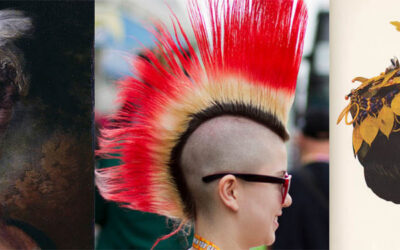
In current times it is an expressive medium that each of us shapes to silently communicate our attitudes toward self and others. What do you want your hair to say? Heading out on the town with bed-head might display a carefree indifference to others’ judgments. A carefully quaffed style on prom night might say, “I’m a mature adult now.” Tracing hair’s influence helps us understand underlying psychological patterns that inform our understanding of this powerful symbol.

PAN: the archetypal source of panic disorder

PAN: the archetypal source of panic disorder

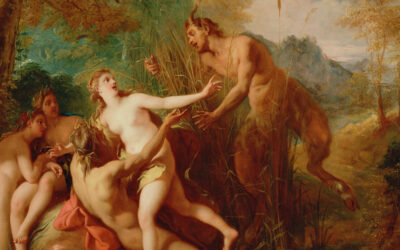
Piping through mountains and glens, the great god Pan carries the relentless procreative power of nature. Oldest of the gods, even the Olympians, he symbolizes the archaic level of psyche from which all wild instinct rises. Timeless and universal, his presence was venerated in fields and grottoes to sustain life against all odds, feared during war as his panic could undo even the Titans and attacked in the Common Era as the image of the devil.

The PIED PIPER & the terrible costs of rejecting shadow

The PIED PIPER & the terrible costs of rejecting shadow

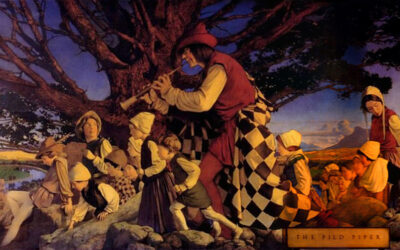
The enduring interest in the Pied piper lies in its symbolic resonance with psyche. When we place the events in our imaginal world, our curiosity is liberated, and our questions become more interesting. What are the pestilential rats inside us? What happens when we ask another person to solve our inner problems? How does the unconscious react when we trick and devalue the inner and outer figures who help us along our way?