Dreams universally function as essential gateways to spiritual understanding, a truth echoed across cultures and eras. Modern sleep and dream research confront and expand upon the traditional views revealing a more complex nature of dreams. These dreams, whether as visitations, flights, or nightmares, reflect our existential questions and actively shape religious beliefs and practices. Merging empirical research with mystical interpretations, dreams are clearly more than mere reflections of waking life; they are direct conduits to deep spiritual insights.
DIVORCE: How can heartbreak lead to transformation?
Jan 11, 2024
The paradox of trust and betrayal lies at the core of intimate relationships. Trust, deeply entwined with love and commitment, harbors the risk of profound betrayal. This duality is inherent in close relationships, where the potential for betrayal exists alongside trust. While a source of profound connection, the intimate bond simultaneously sets the stage for possible betrayal, which, when realized, disrupts internal harmony, propelling psychological growth.
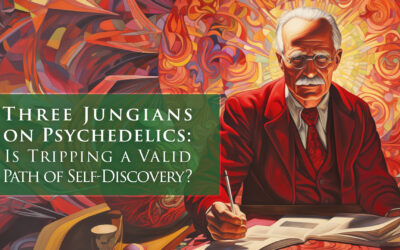
Three Jungians on Psychedelics: Is Tripping a Valid Path of Self-Discovery?
Jan 4, 2024
Psychedelics may help us access deep layers of the unconscious, revealing aspects of psyche that are often inaccessible through traditional psychoanalytic methods alone. Jungian analysis, with its focus on archetypes and the collective unconscious, provides a framework for interpreting and integrating the complex, symbolic experiences often encountered in psychedelic states. The combination of psychedelics and analysis could facilitate a more profound and holistic healing process, addressing not only individual psychological issues but also connecting with broader, universal aspects of human experience. This integrated approach could accelerate the therapeutic process, allowing for quicker breakthroughs and more profound insights than can be achieved through either method independently.
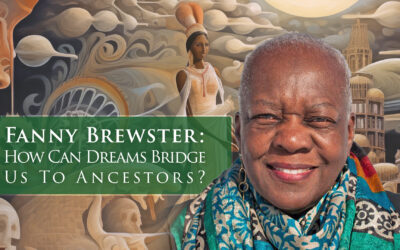
Fanny Brewster: How can dreams bridge us to ancestors?
Dec 28, 2023
Jung’s concept of the collective unconscious emphasized the universal psychological substrate common to all humans. While he acknowledged the effects of the cultural unconscious, his work, at times, fell into the trap of perpetuating oversimplified and racially prejudiced stereotypes. Jung’s writings that refer to Africanist peoples, in particular, suffer from offensive assumptions.
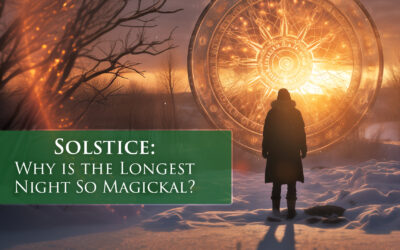
SOLSTICE: Why is the longest night so magickal?
Dec 21, 2023
Winter Solstice, the longest night of the year, calls us to brood and turn within. Retreating to the unconscious is a psychic wintering, calling our life force down into our archaic patterns.
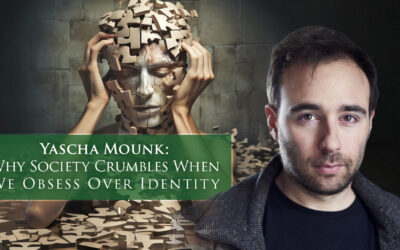
Yascha Mounk: Why Society Crumbles When We Obsess Over Identity
Dec 14, 2023
In an era where identity politics reshapes global narratives, the urgent need to balance diversity with universal human values becomes clear. The melding of postmodernism, postcolonialism, and critical race theory raises a provocative question: Can embracing universal principles truly bridge our deepening societal divides? This challenge calls for a bold reimagining of our approach to social harmony and equality, urging a critical reassessment of how we navigate identity and inclusivity in a complex, interconnected world.
SURVIVING MASS TRAUMA: How did Jung process catastrophic events?
Dec 7, 2023
The great catastrophe of Jung’s generation was the rise of Nazi Germany and WWII. His insights into the collective psyche of nations remain relevant today as we grapple with war and violence worldwide.
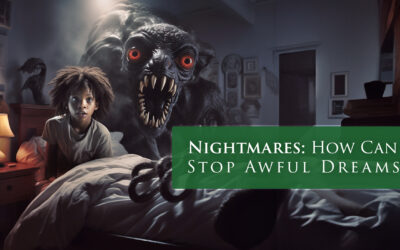
NIGHTMARES: How can I stop awful dreams?
Nov 30, 2023
Our dreams are always trying to correct our waking personality. They are a kind of psychospiritual medicine tailored just for us. When we avoid healing advice from the dream maker, pressure builds in our unconscious. Gentle suggestions become urgent pleas, which over time become fierce demands that insist on recognition. Once we recognize we are running away from essential insights, we can turn around and embrace them.
DO WE INHERIT OUR PARENT’S FEARS?
Nov 23, 2023
VIDEO https://www.youtube.com/watch?v=lOlApKV-wnw Art...
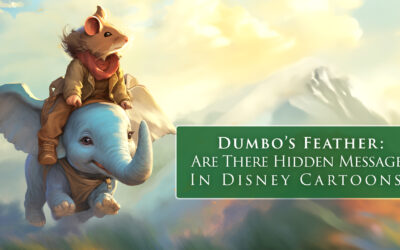
DUMBO’S FEATHER: Are there hidden messages in Disney cartoons?
Nov 16, 2023
The feather in “Dumbo” holds symbolic magic. Holding it tight, he leaps from dependency to loss, then audacious growth. He must believe the feather holds power before placing it in himself. We all need symbolic objects or talismans to project our potential onto. How else could we find it?
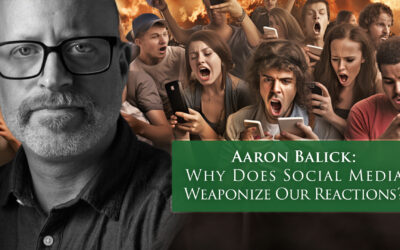
Aaron Balick – Why does social media weaponize our reactions?
Nov 9, 2023
Reactivity often usurps reflective response, with social media fueling instantaneous, reflexive reactions. This hampers thoughtful decision-making and obscures the other party’s perspective, trapping discourse within a reactive cycle. Emotional reactivity, a necessary short-term survival mechanism, can become a long-term maladaptive response, leading to perpetual defense rather than constructive dialogue. Such sustained reactivity is evident in the widespread use of social media, where the nuanced, truth-seeking aspects of communication are eclipsed by the platform’s inherent design that favors sensationalism and emotional contagion. This environment diminishes the capacity for mutual understanding and comprehensive evaluation of complex social issues, fostering a climate where binary thinking and polarization thrive.
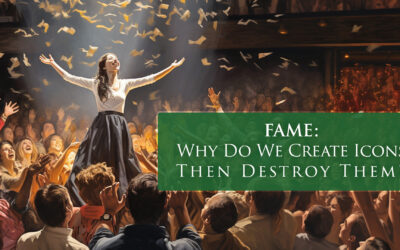
FAME: Why Do We Create Icons Only to Destroy Them?
Nov 2, 2023
Fame tempts the ego to claim what does not belong to it, and the person may become identified with his or her role, especially as others have an urge to find a hero, wise man, leader, or transcendent figure. Jung wrote about the mana personality—a larger-than-life person with charismatic power and energy. Magicians and priests, infused with special knowledge and god-like capabilities, are emblematic of mana personalities. Followers are then imbued with the mana person’s special qualities, as we see in audience reactions at concerts or rallies.